Light Sculpture Wiesenbad Thermal Baths

Light Sculpture Wiesenbad Thermal Baths

A Strong Sign of Welcome

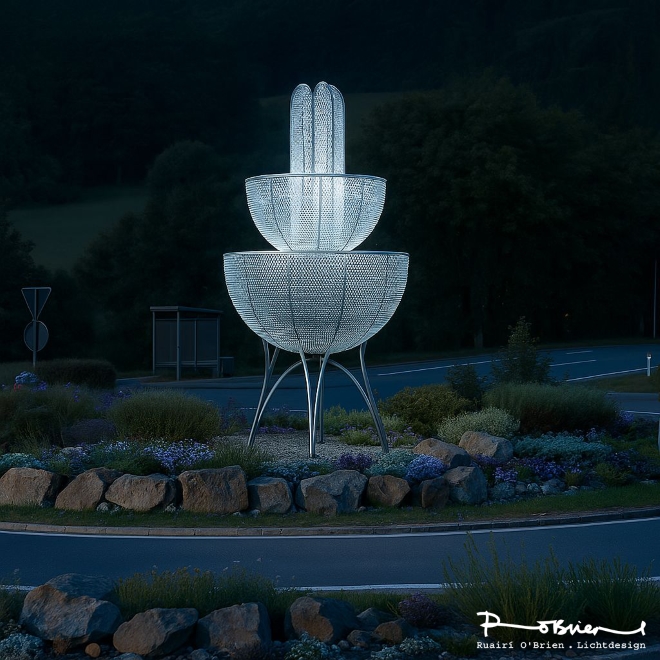
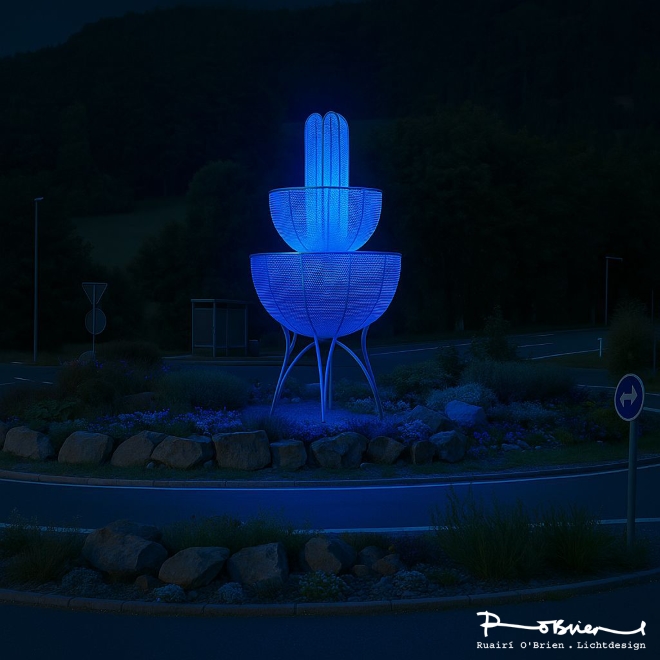
Artistic-architectural light sculpture as a welcoming element at the entrances to the renowned Thermalbad Wiesenbad

Even before the place speaks its name, it tells its story.
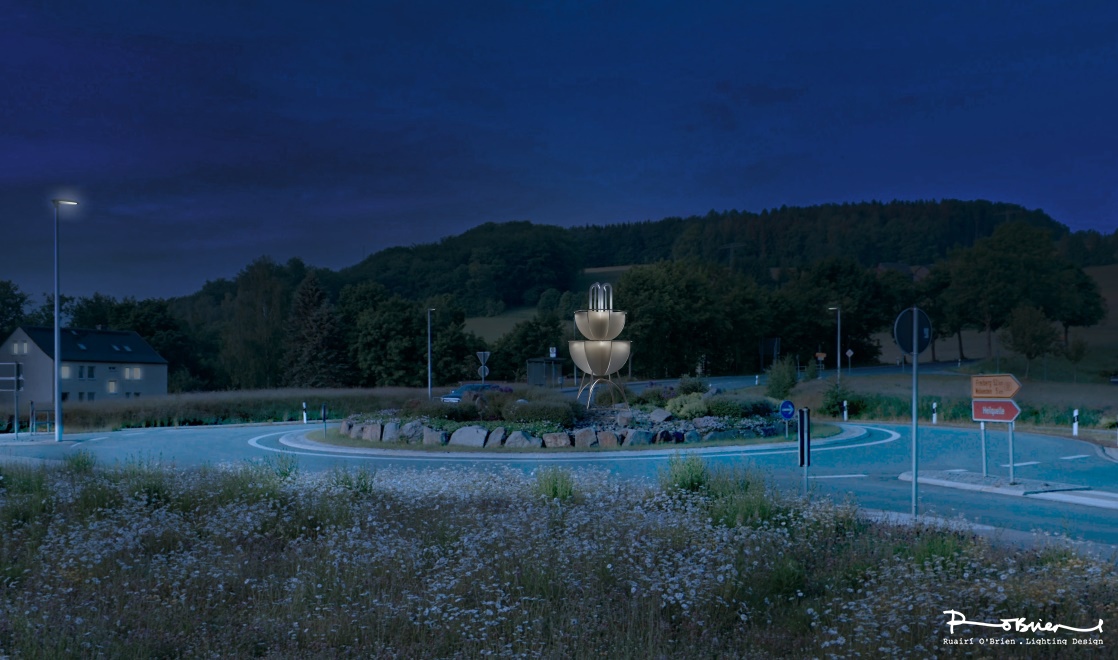
At the entrance to the spa town, a sculpture rises and welcomes those arriving — through form, light, and presence. It marks the moment of arrival and makes tangible what this place stands for.

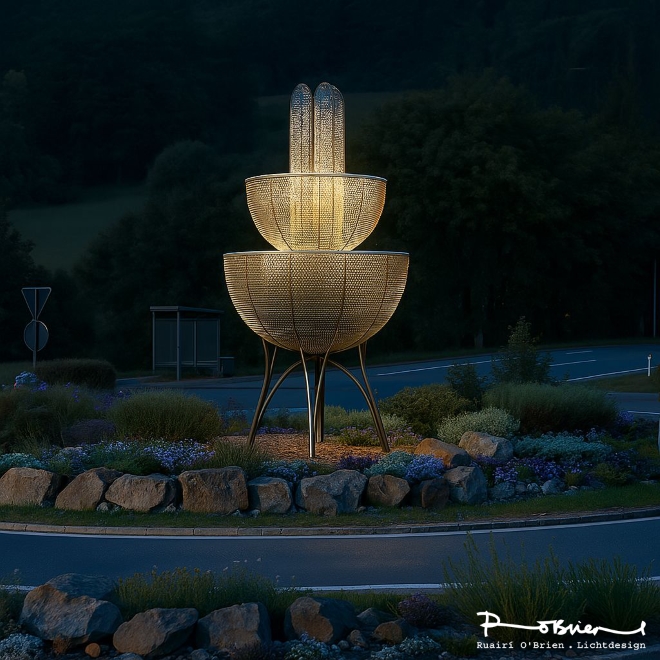
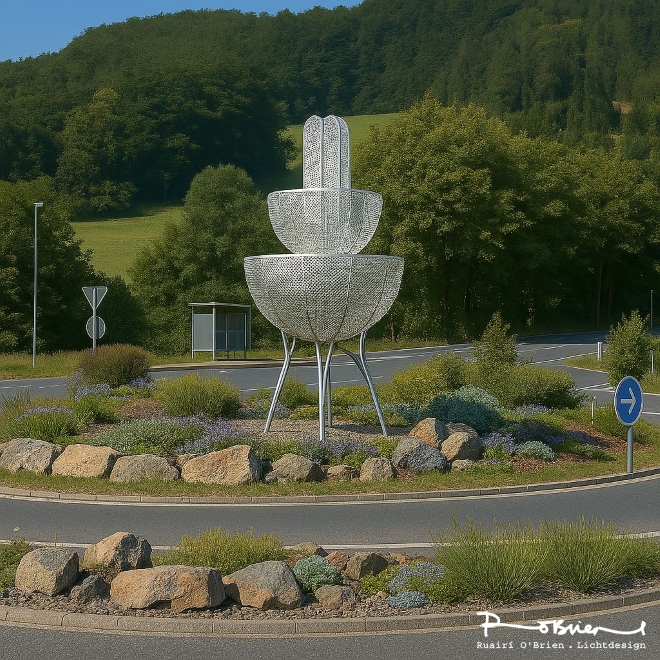
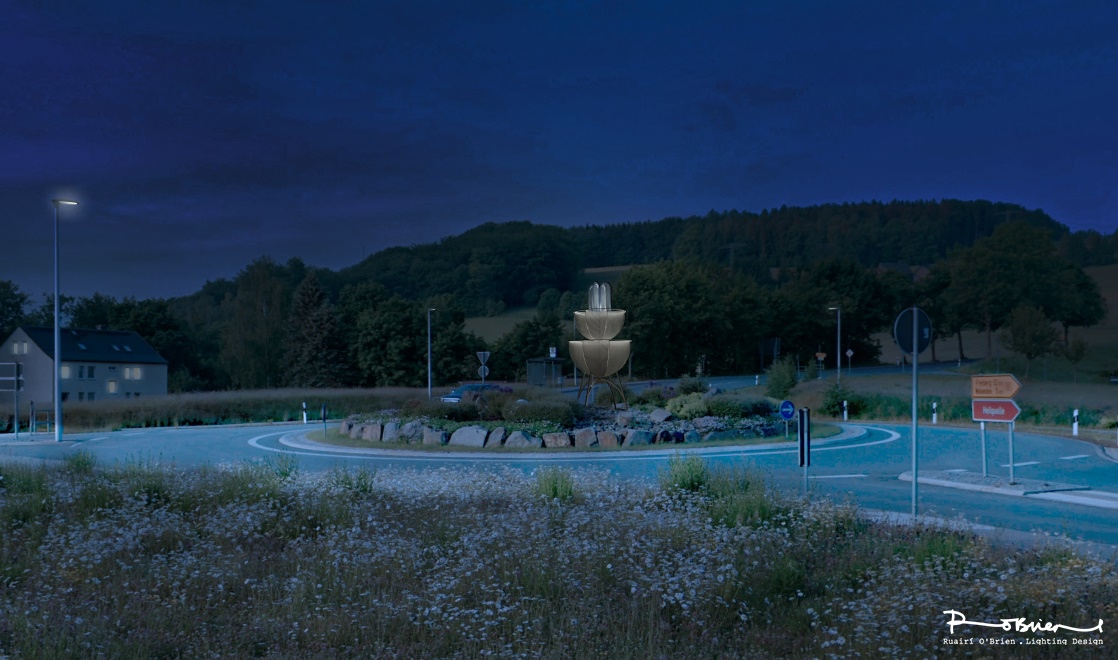
As part of the design of the entrance sculptures and the central landmark within the roundabout, an identity-defining symbol was created that unites regional heritage, the power of the thermal springs, and the long tradition of the spa town. The existing signet of the thermal baths was translated into a contemporary, three-dimensional form and developed into a clearly visible point of orientation from afar.

Standing approximately four meters tall, the metal sculpture features a perforated surface that conveys openness and lightness. Light is an essential element of the design: by day, the sculpture appears clear, calm, and inviting. At dusk, it begins to glow, unfolding a strong long-distance presence — a deliberately placed signal of welcome for guests and residents alike.

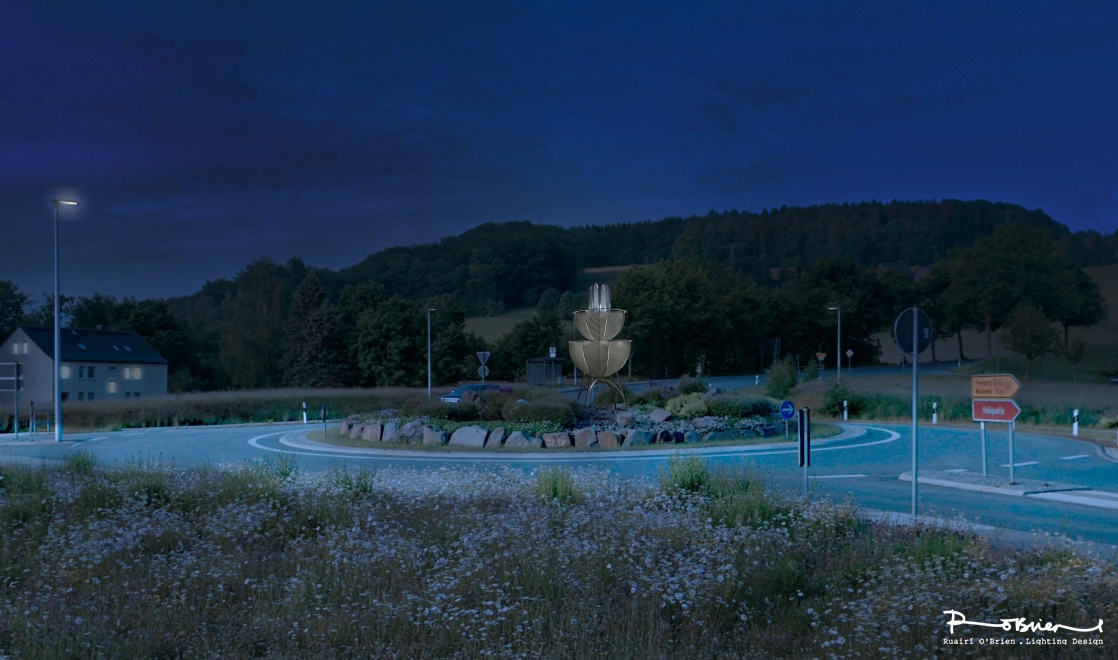
As the focal point within the roundabout, the sculpture organizes movement and space. It is more than an object: it is an expression of hospitality, quality, and contemporary design in the public realm. The light sculpture visibly enhances the spa town, uniting art, architecture, and light into a distinctive symbol that endures — as the first image of arrival and as a mark of identity that remains in memory.

Info-Light-Sculpture for Jesse Owens

Jesse Owens Info-Light-Sculpture, Olympic Stadium Berlin

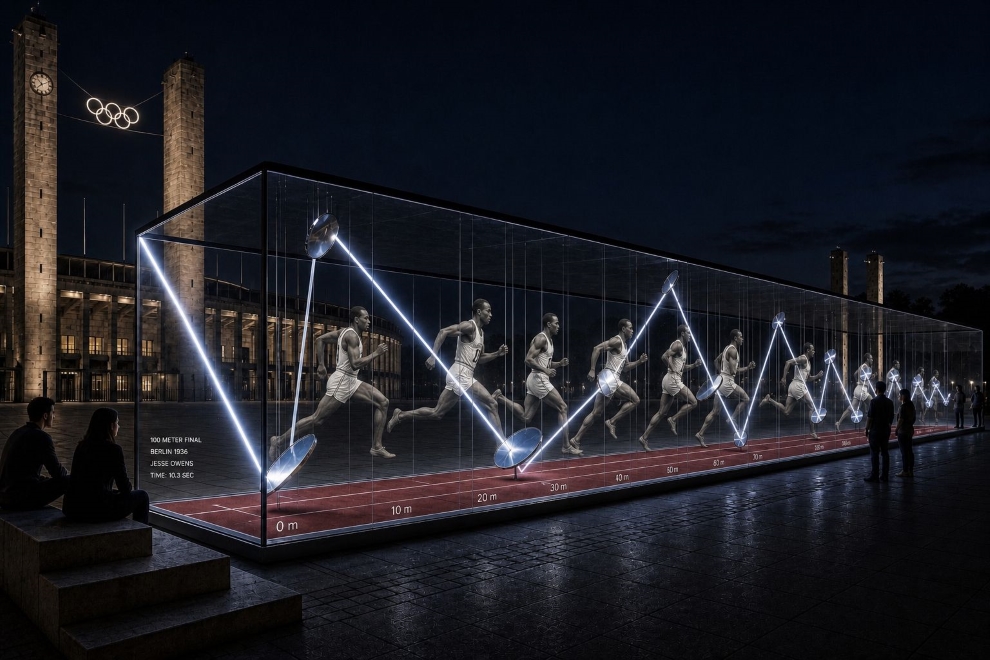
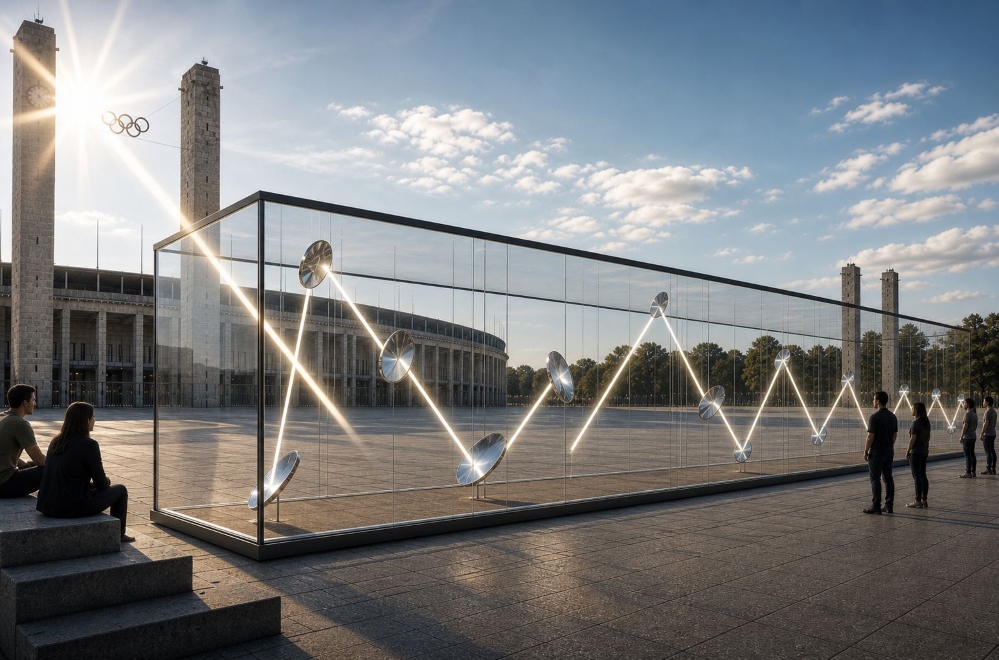
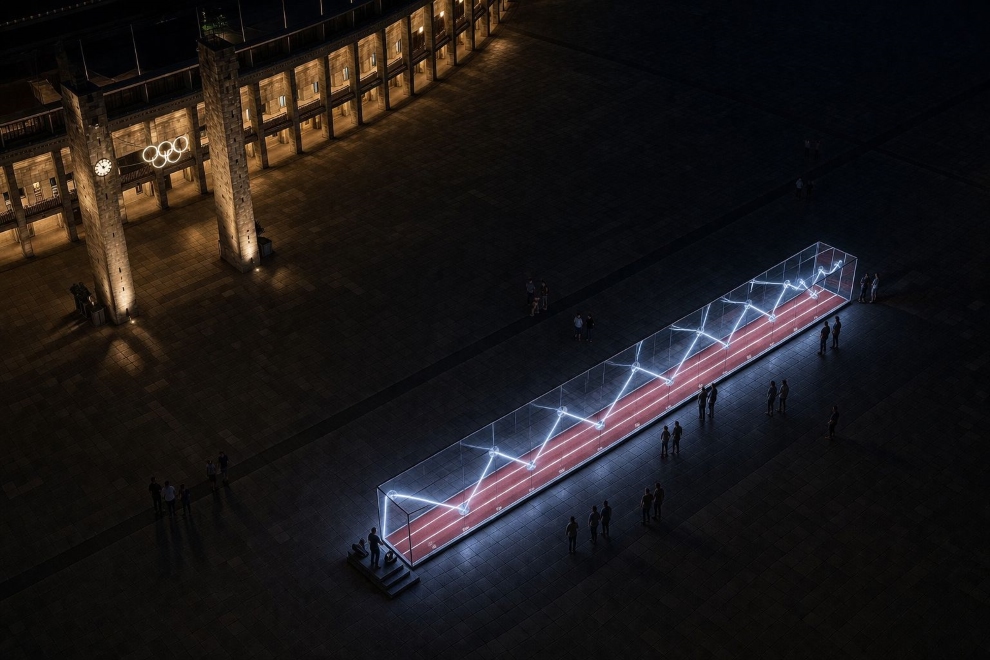
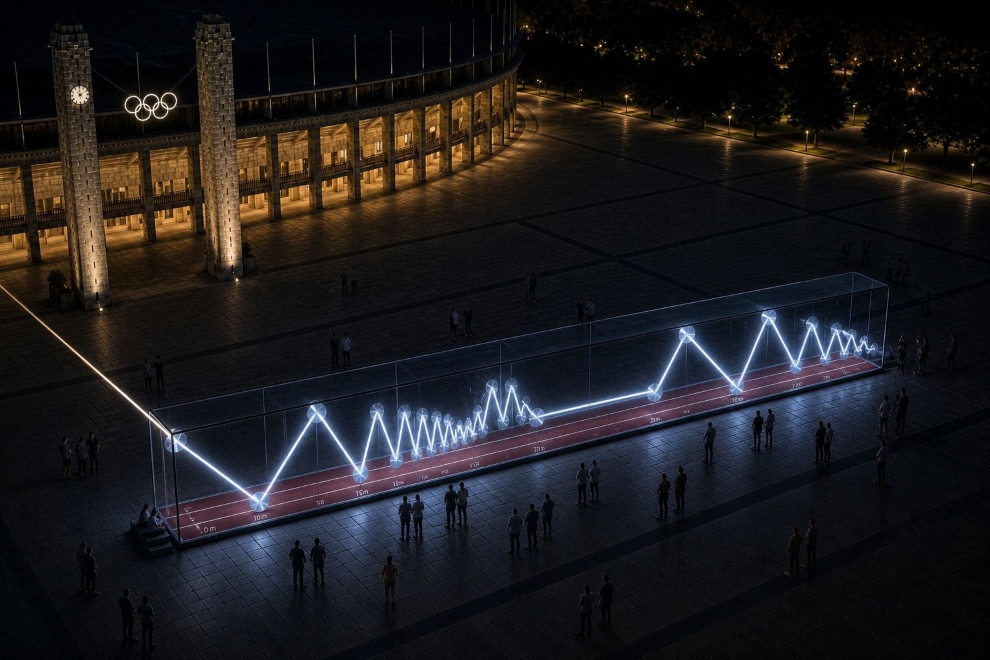
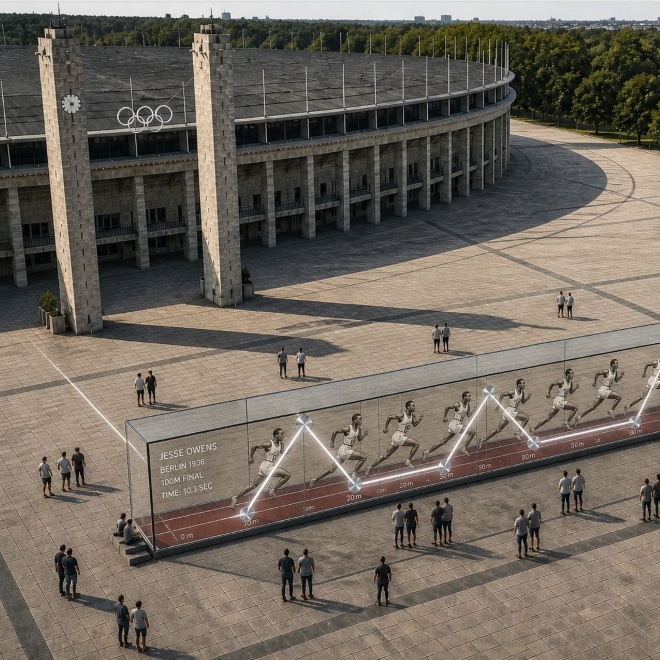
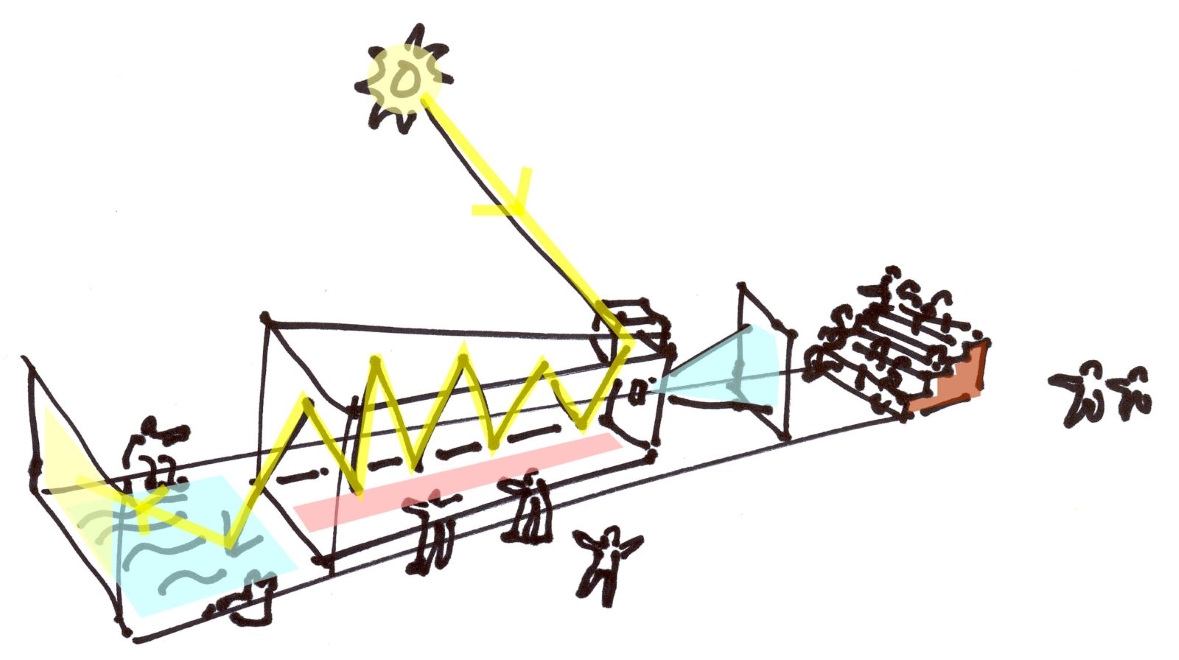
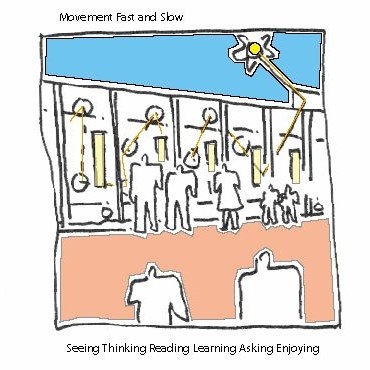
Ruairí O’Brien developed the concept for a place of remembrance in front of the Olympic Stadium in Berlin, dedicated to the American track and field athlete James Cleveland “Jesse” Owens. At the 1936 Olympic Games in Berlin, Owens won four gold medals in the 100 metres, long jump, 200 metres and 4 × 100 metres relay, becoming the most successful athlete of the Games. His triumph powerfully disproved the racist ideology of National Socialism.

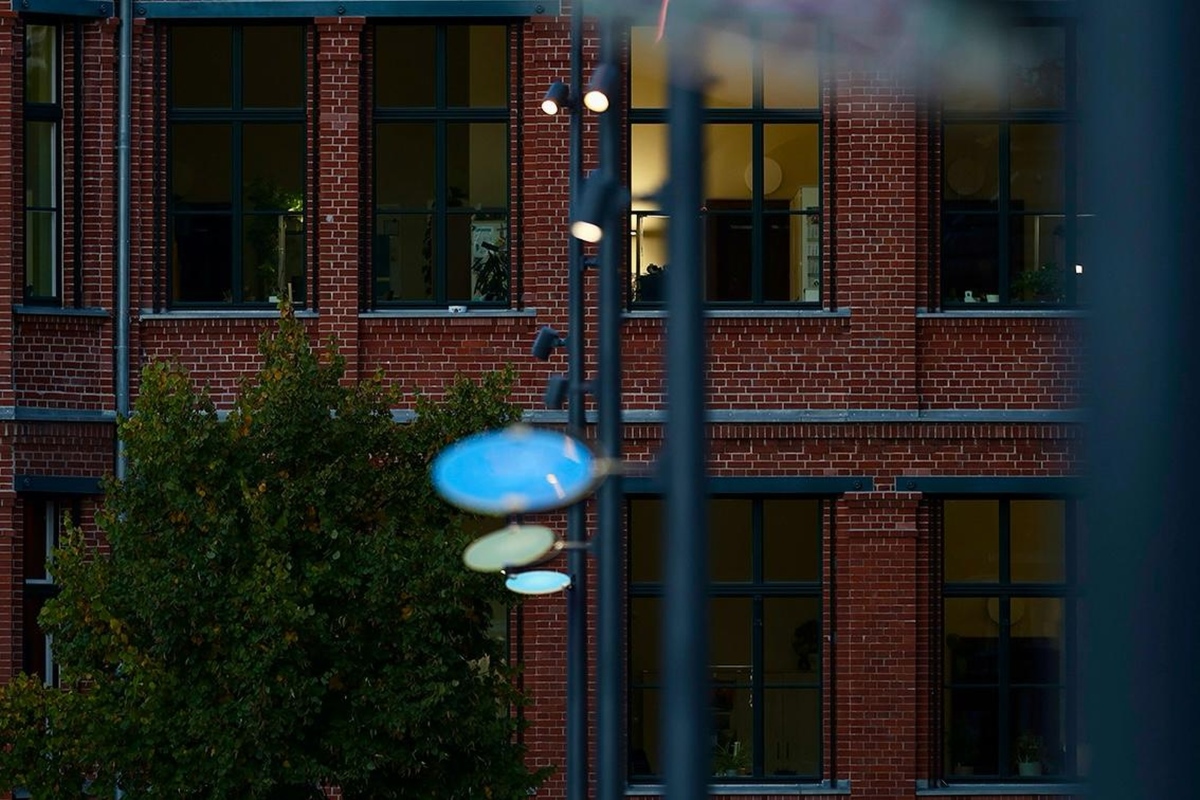
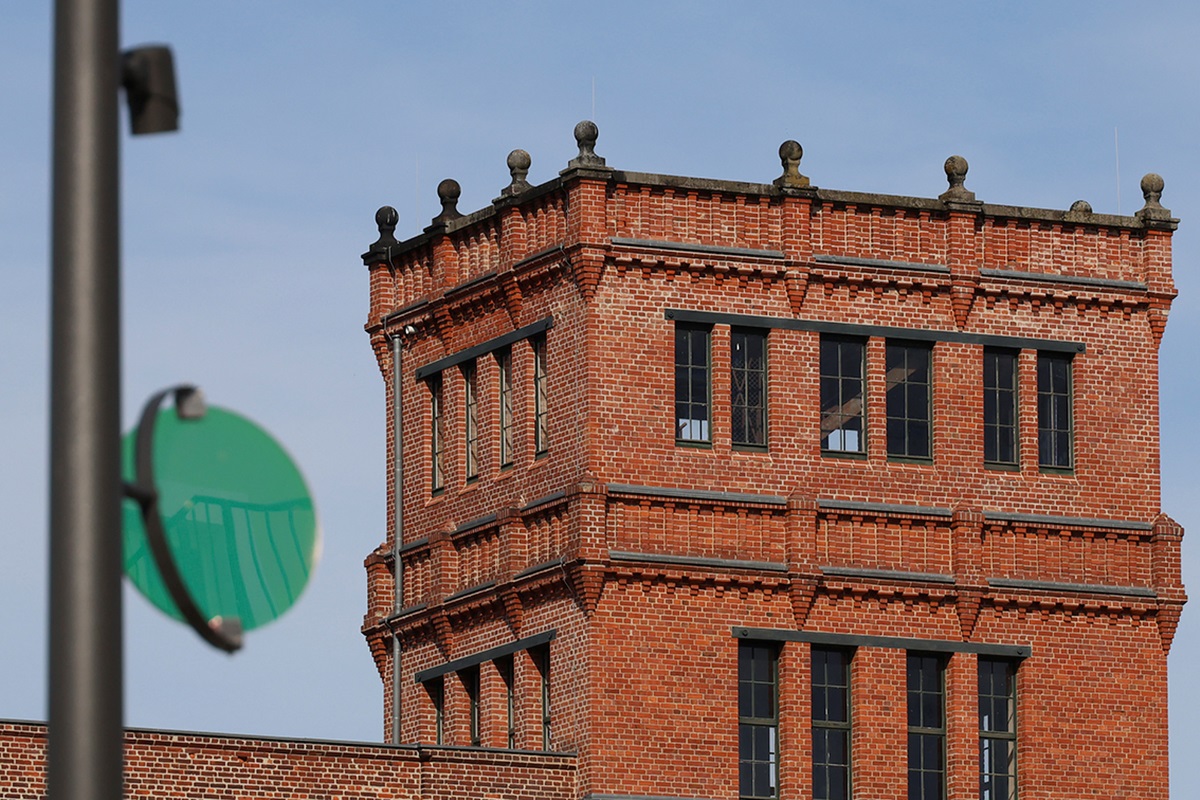
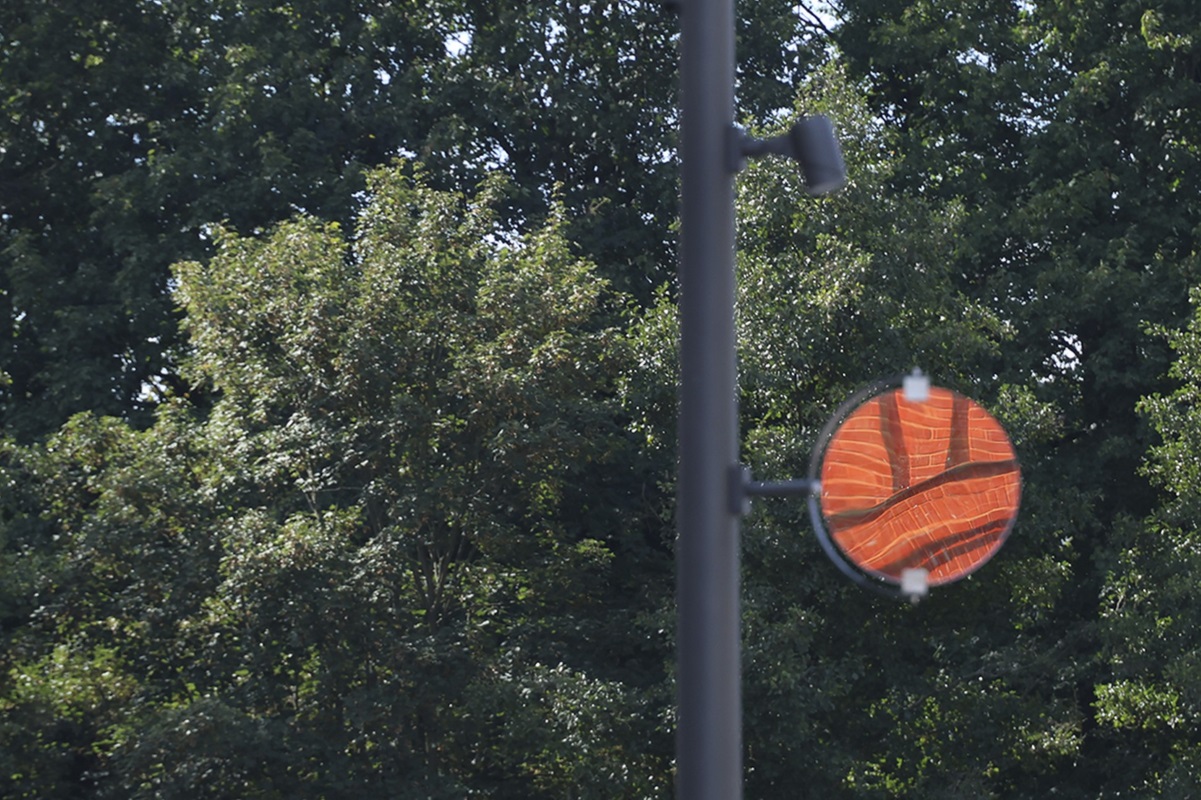
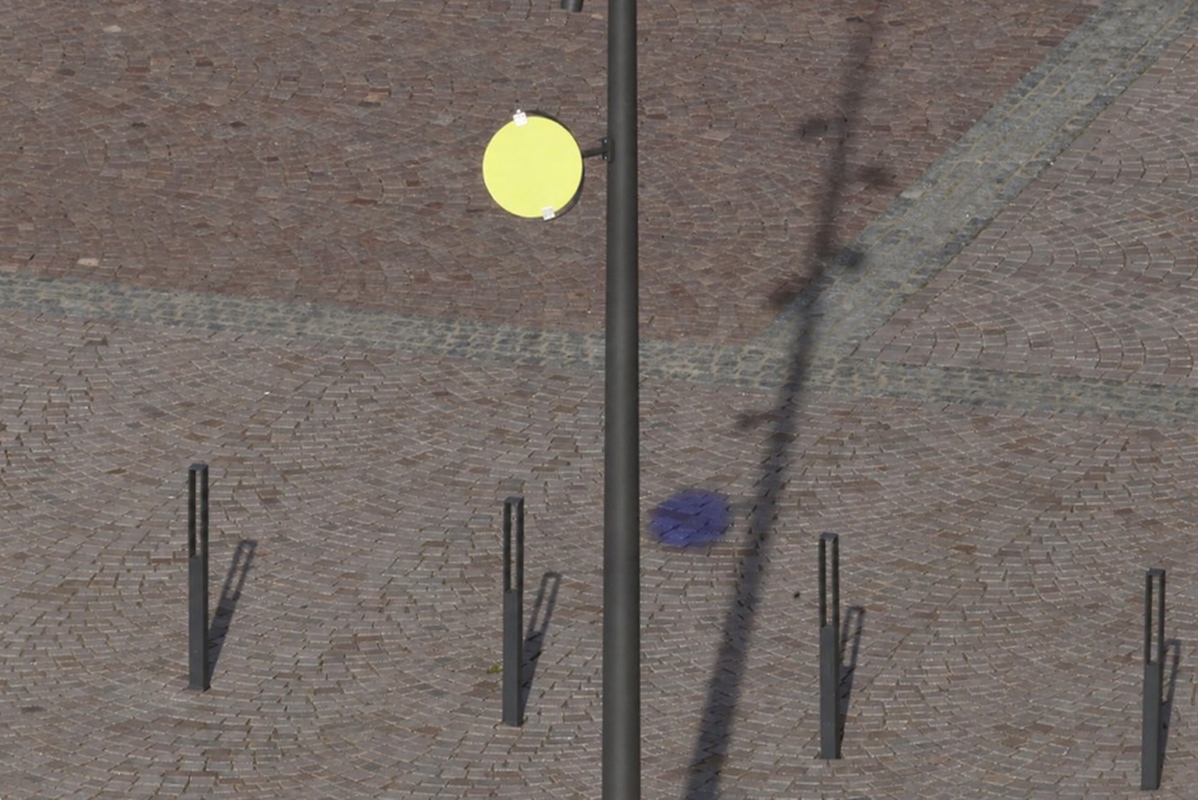
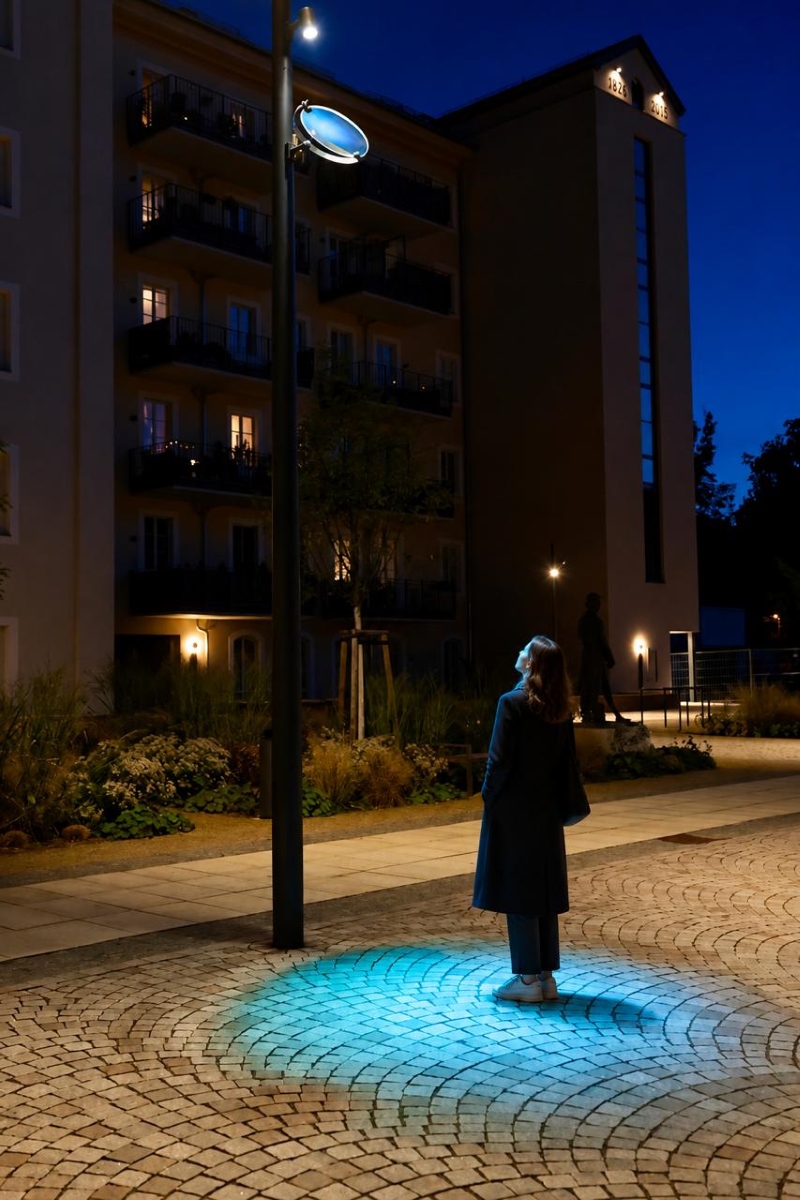
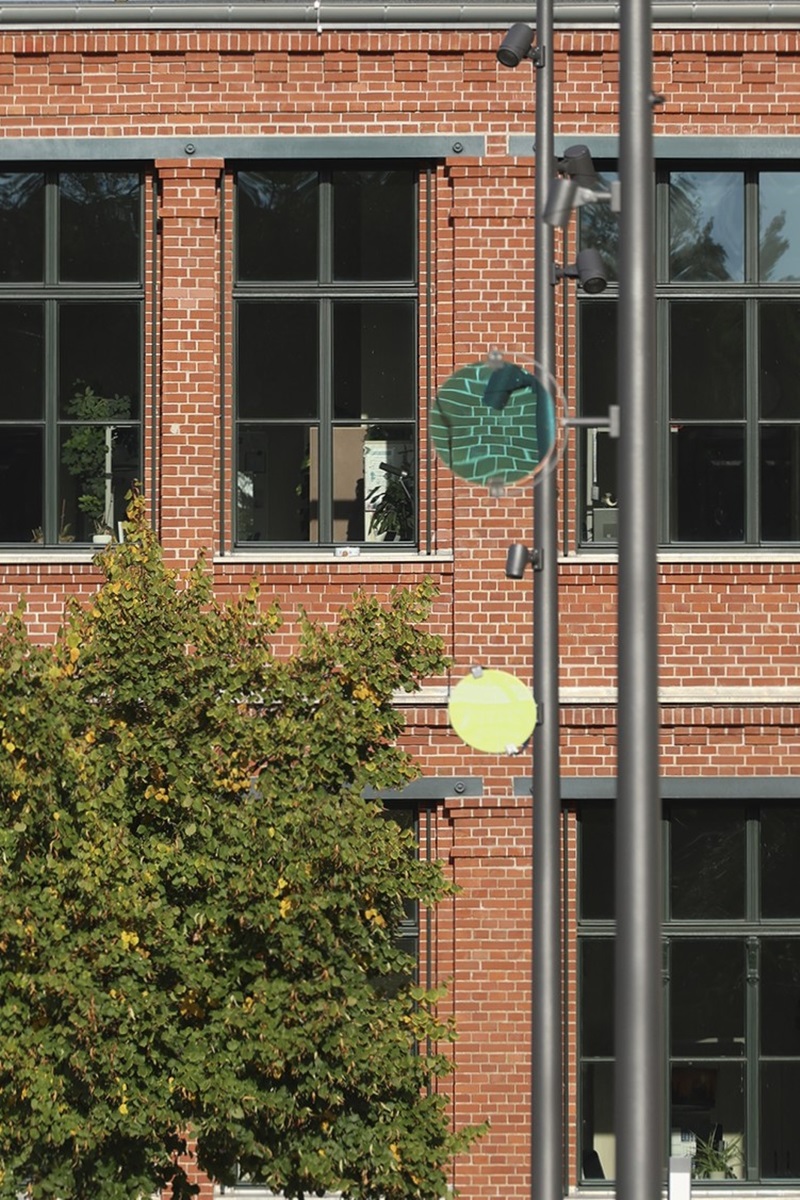
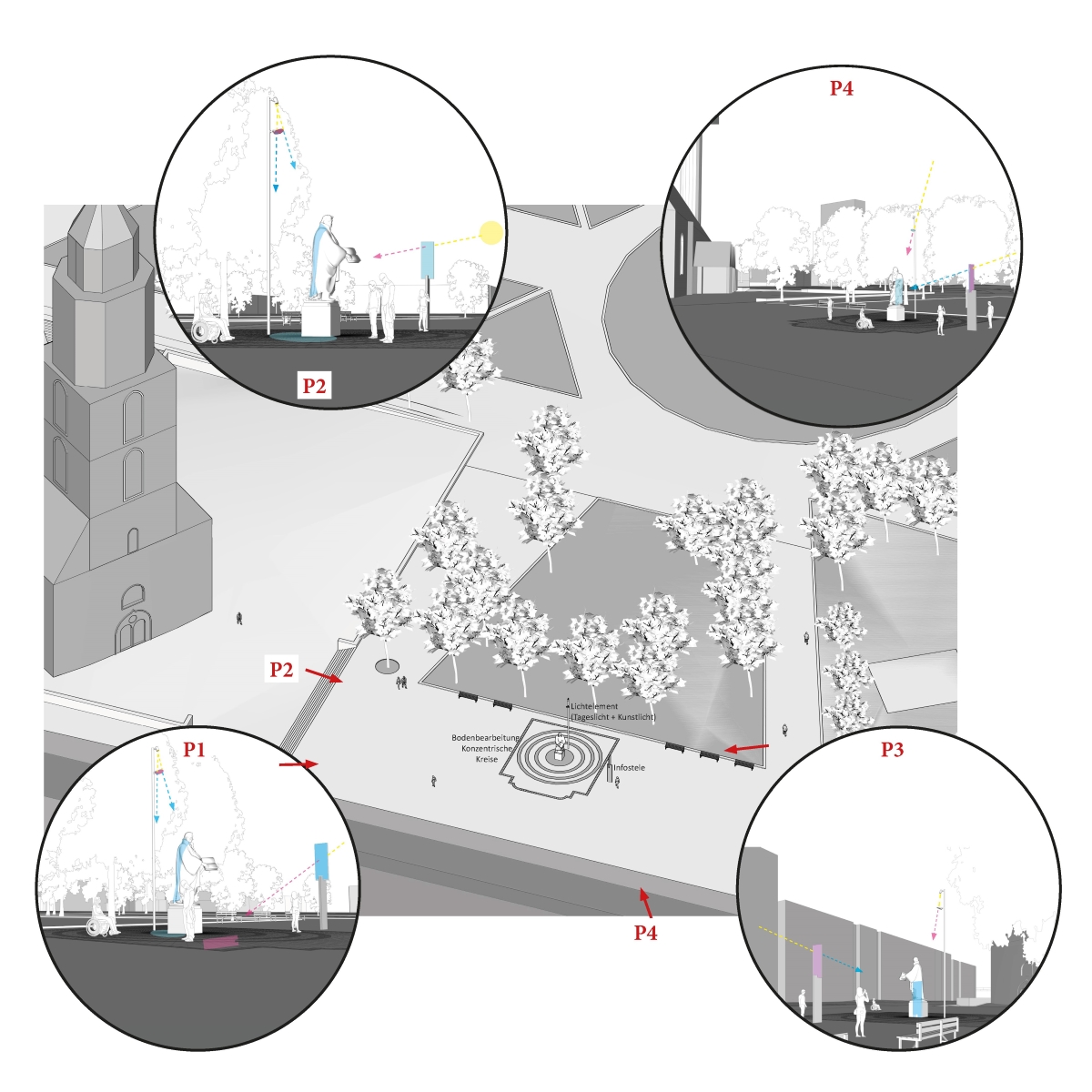
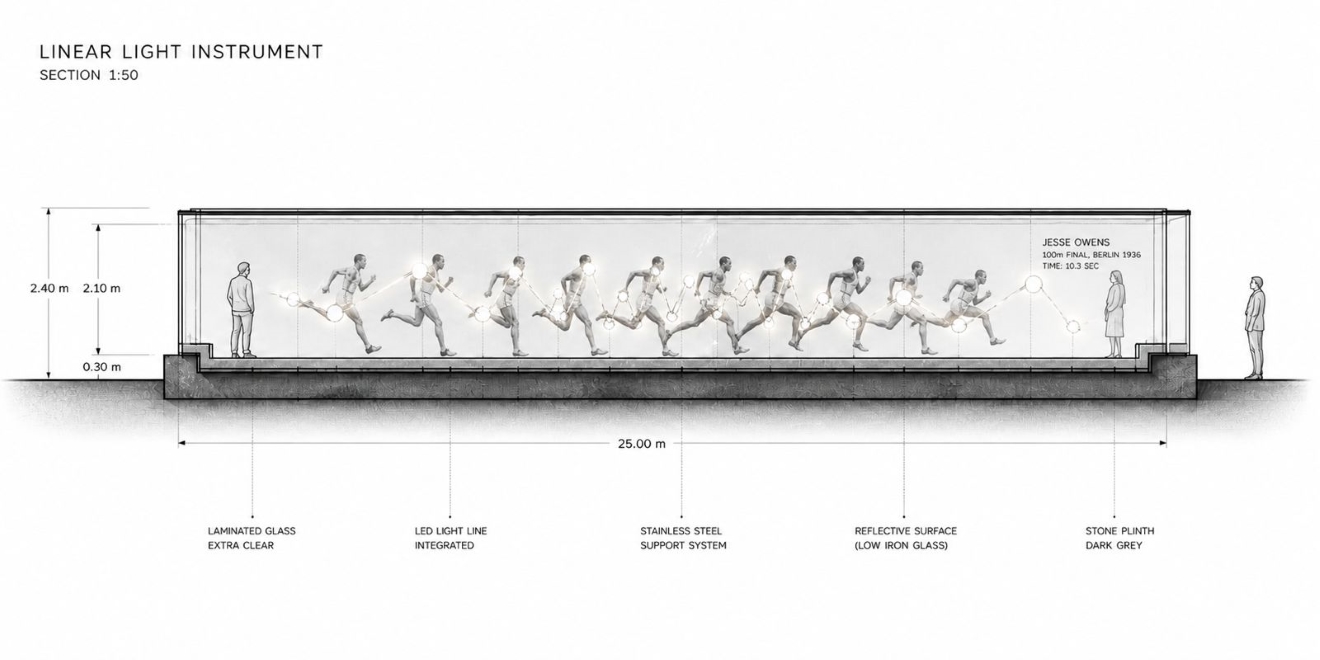
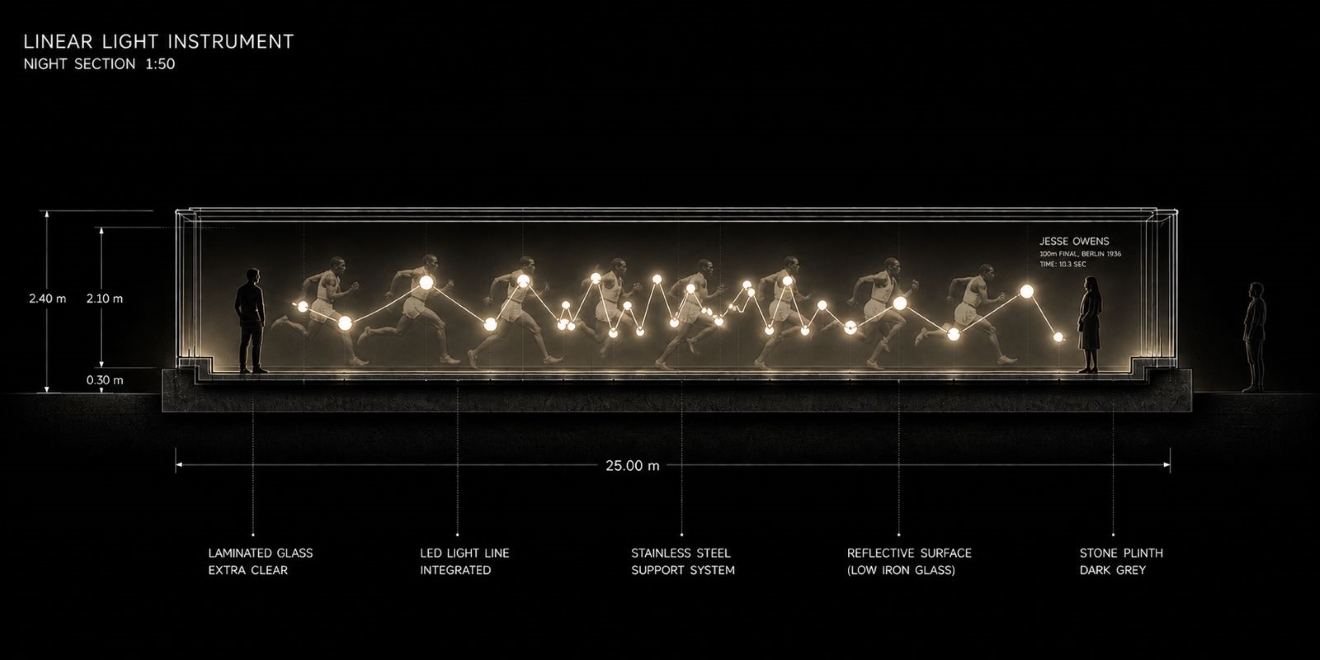
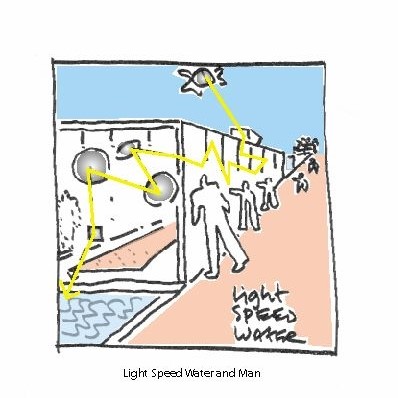
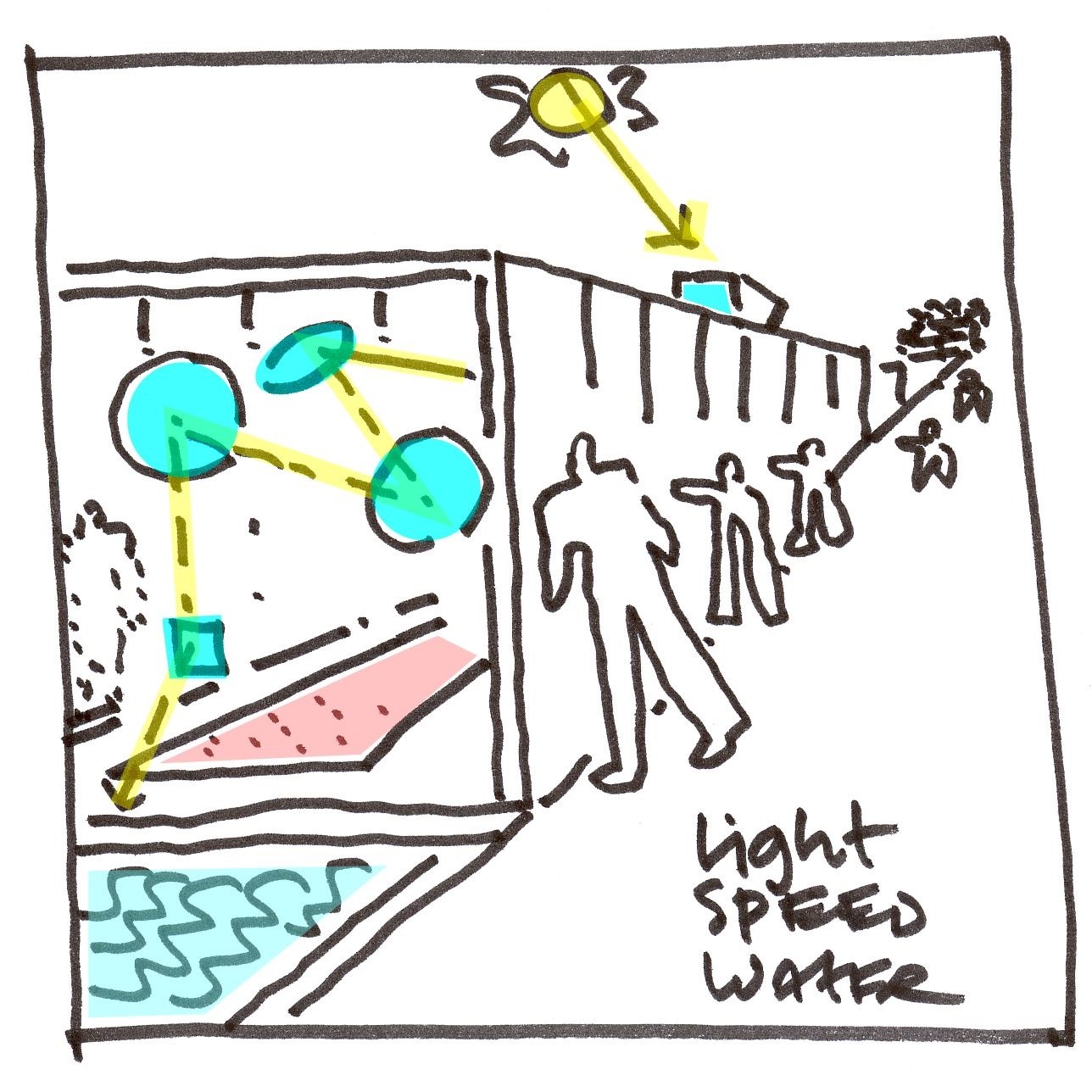
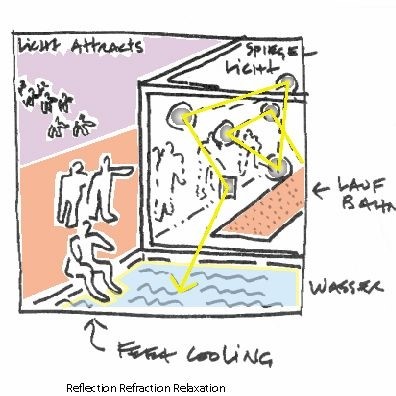
The memorial sculpture combines architecture, light, history and movement to create a spatial experience. A transparent structure in front of the stadium takes the 100-metre track as its narrative line. Reflective and optical elements direct sunlight during the day and, at night, create a precise drawing in light that makes Owens’ run, his speed and the moment of victory tangible. The result is a place between remembrance, perception and physical experience. Visitors do not simply look at a sculpture; they move along a story. Light, reflection, scale and rhythm make speed and time visible — inviting visitors to see, think, read, learn, ask and enjoy.

Re-Thinking Bismarck

Re-Thinking Bismarck

Artificial Eclipse — Light, Shadow, and the Re-Reading of History

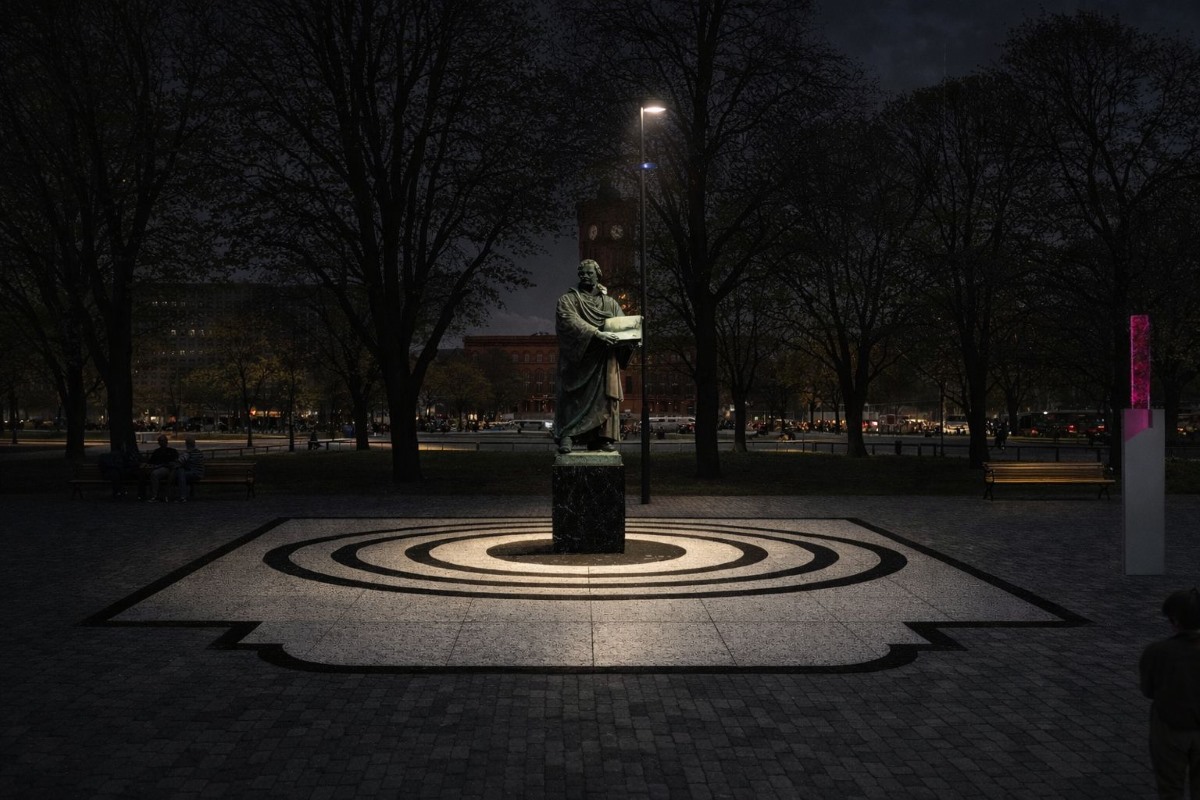
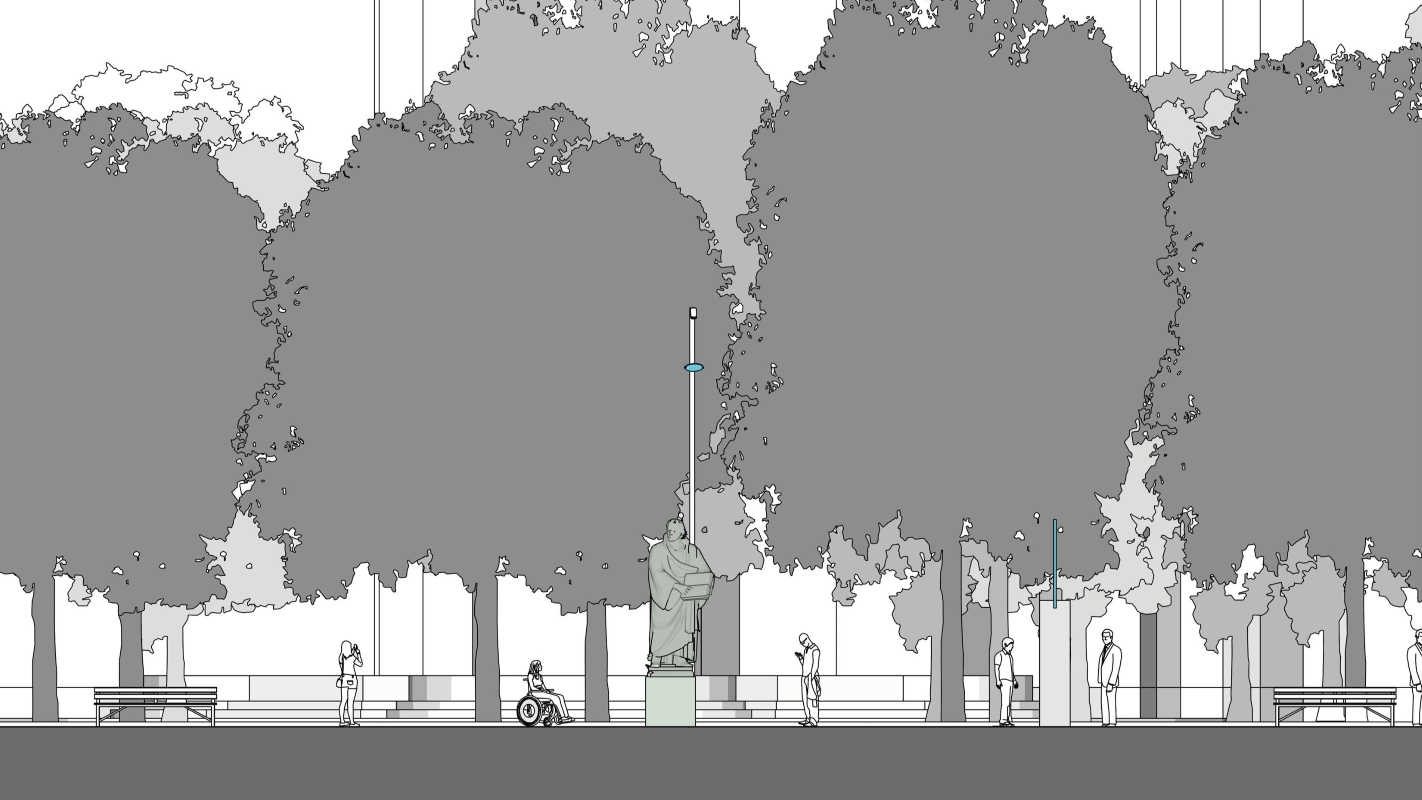
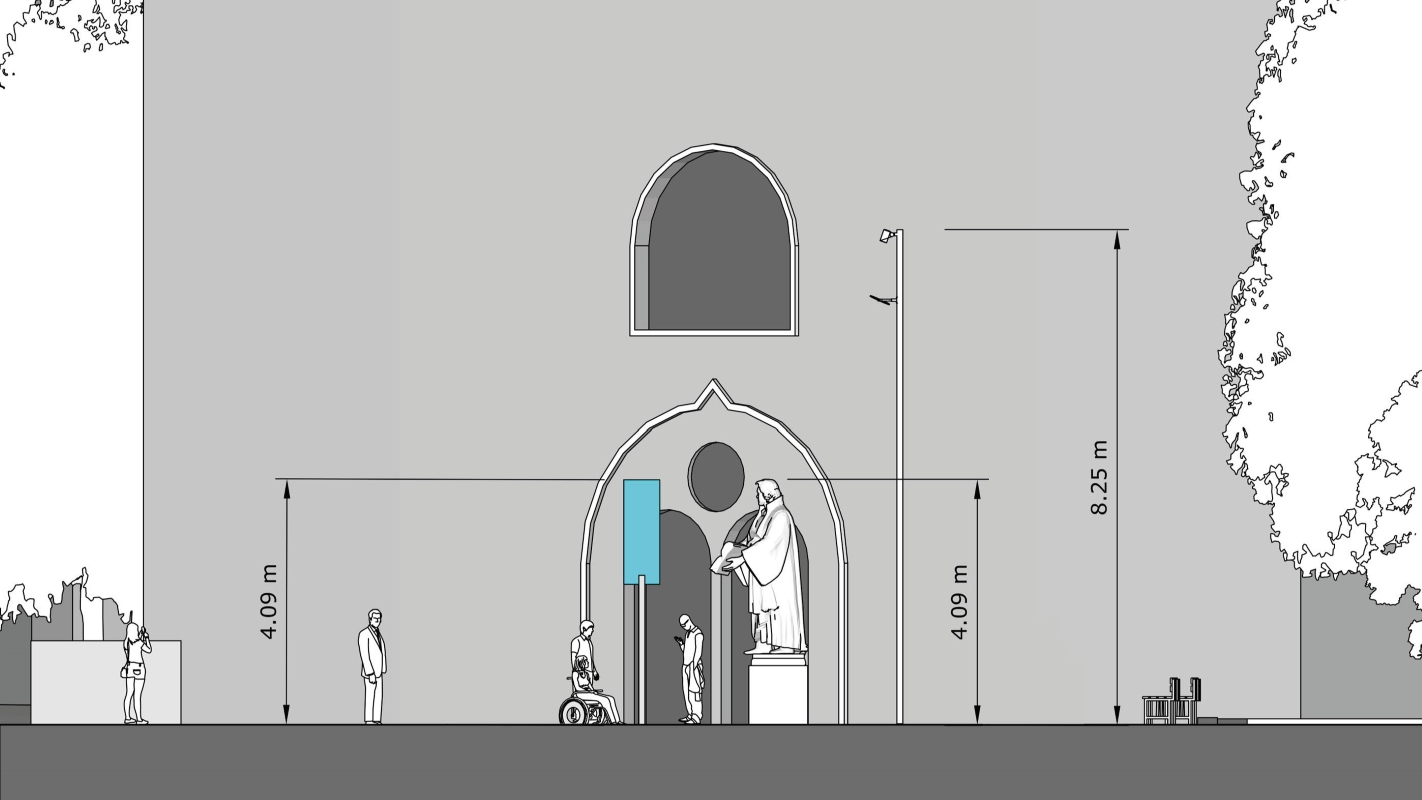
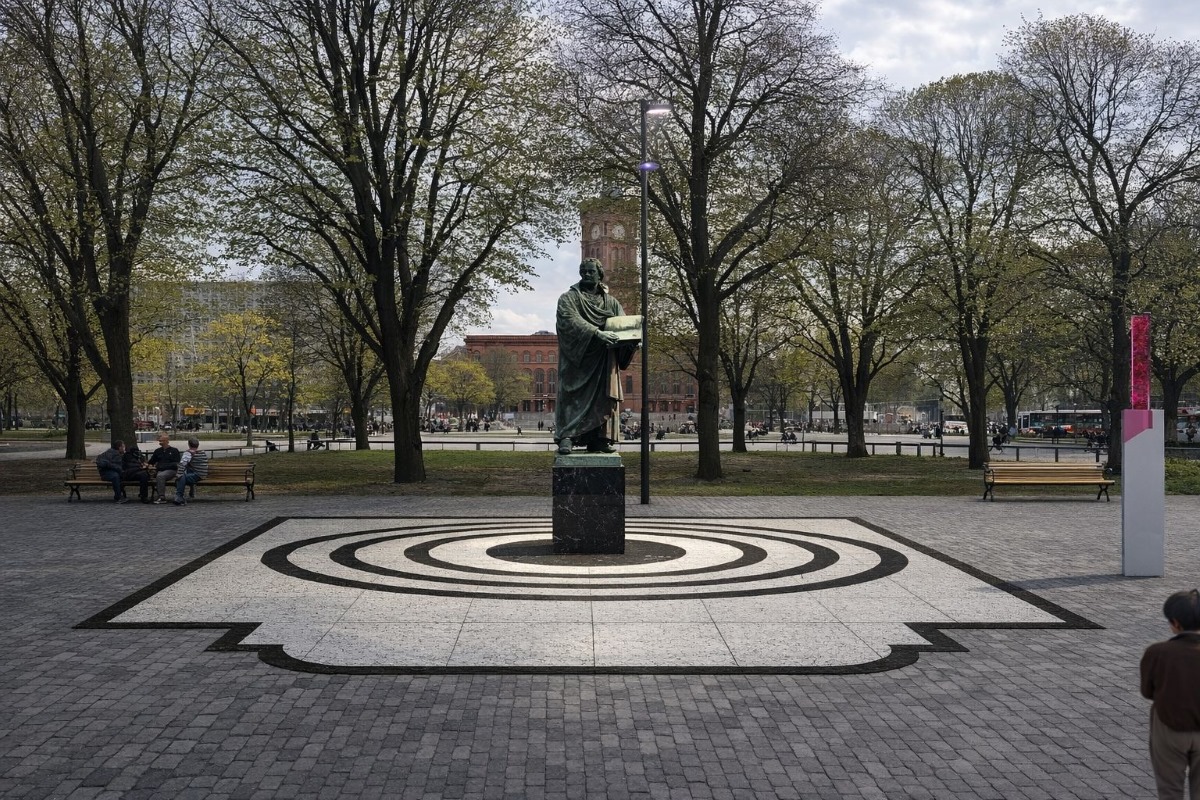
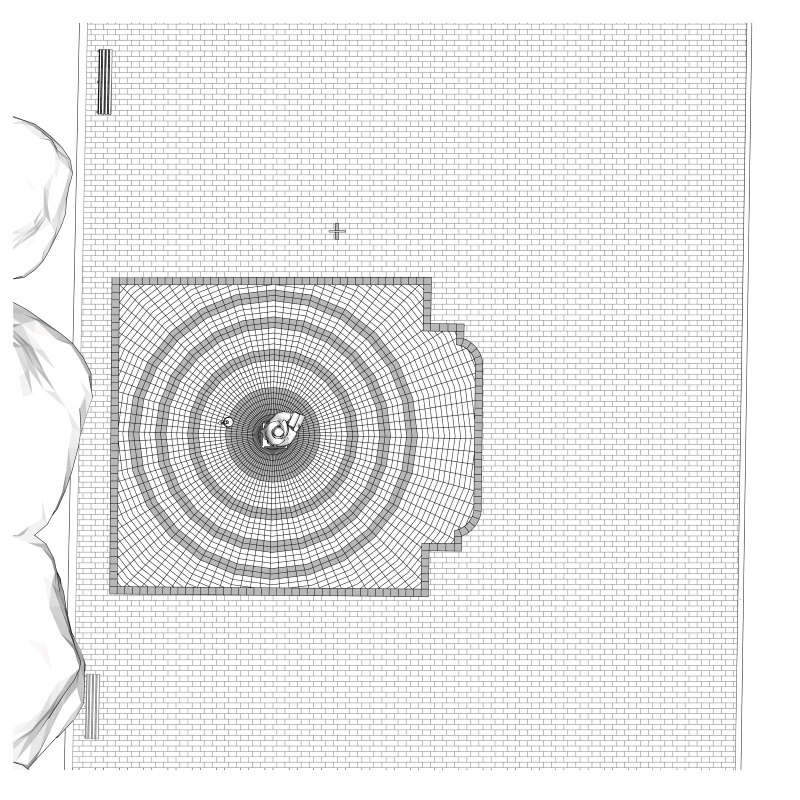
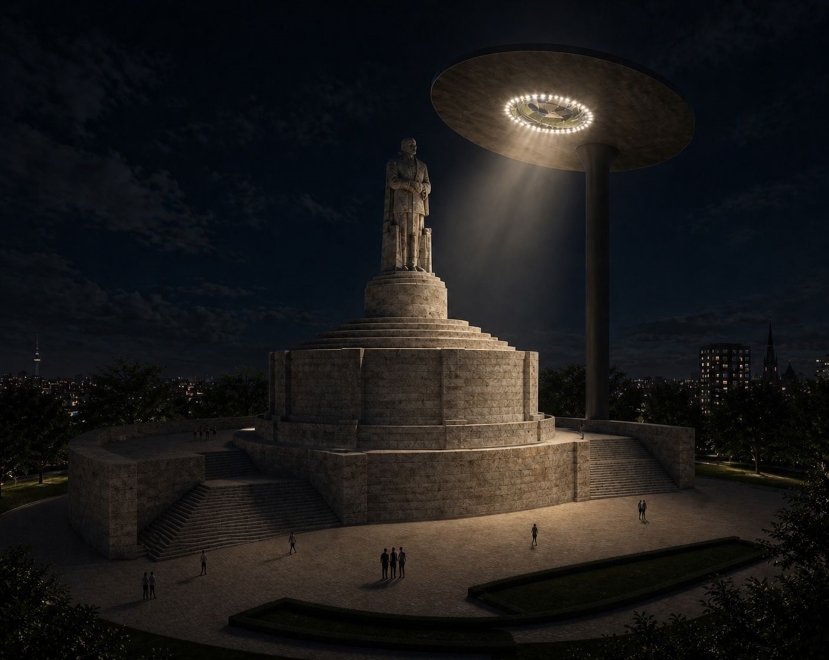
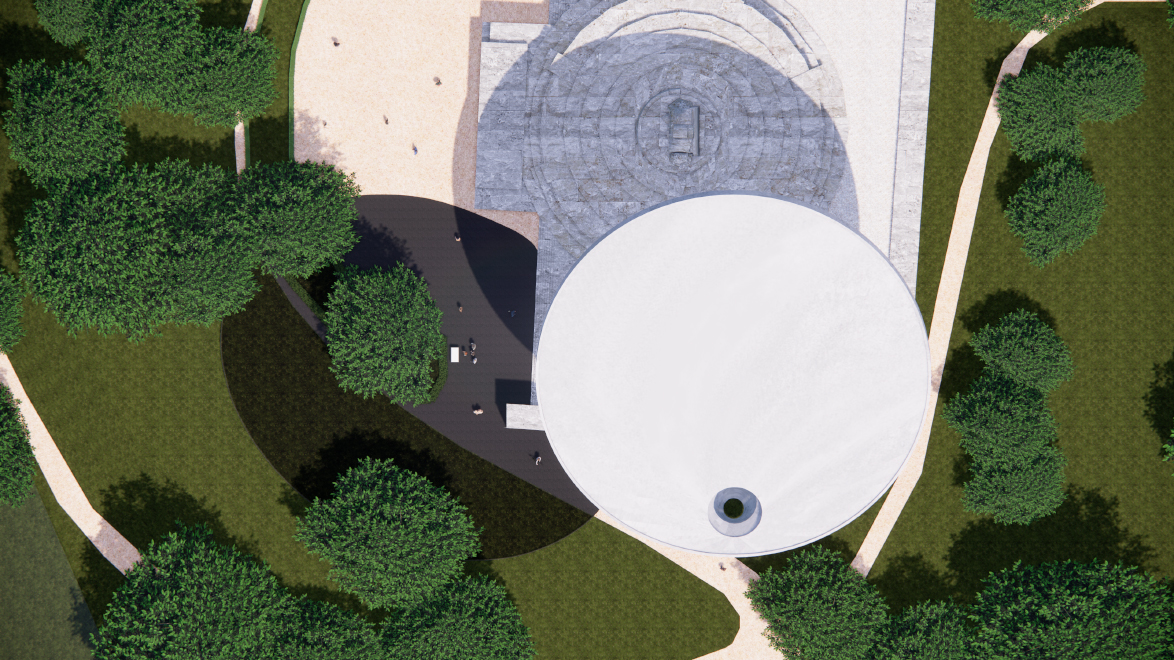
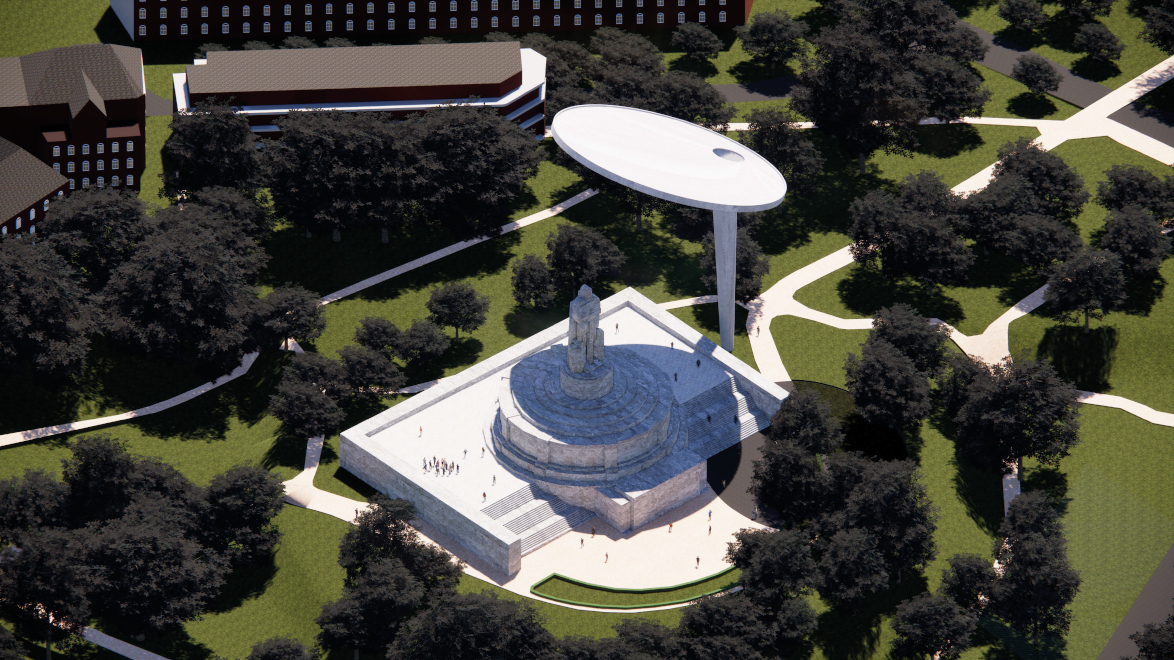
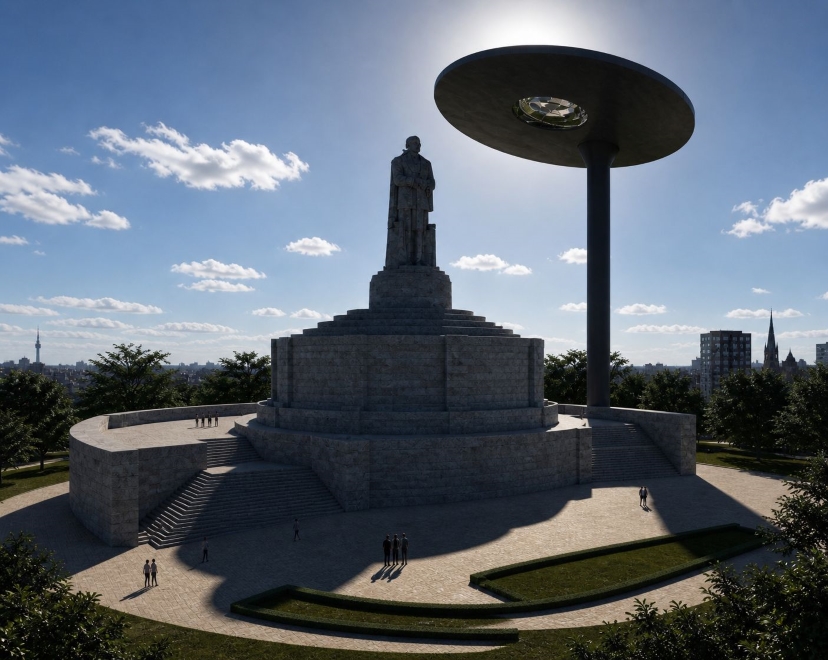
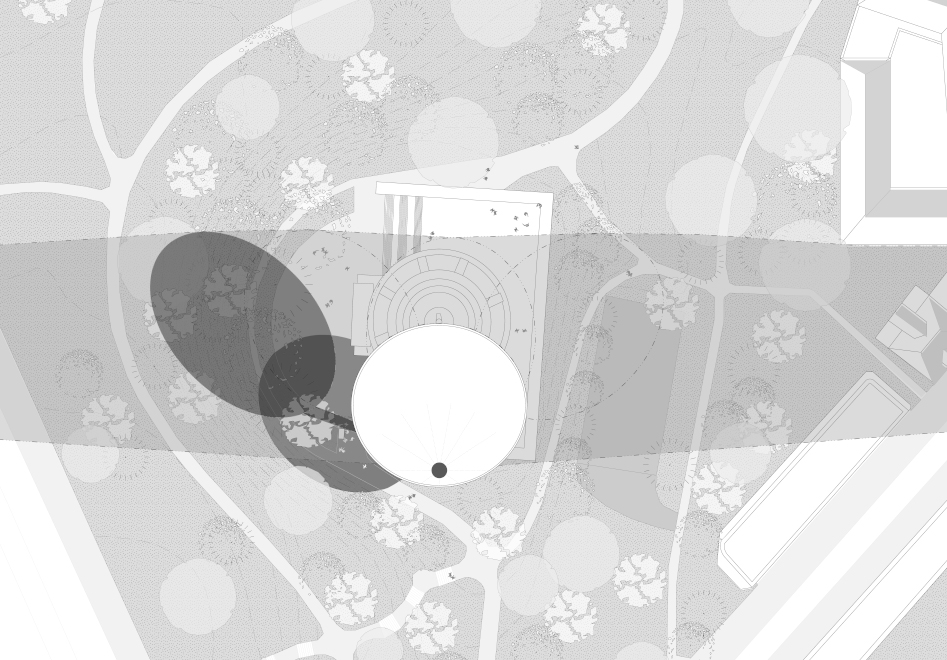
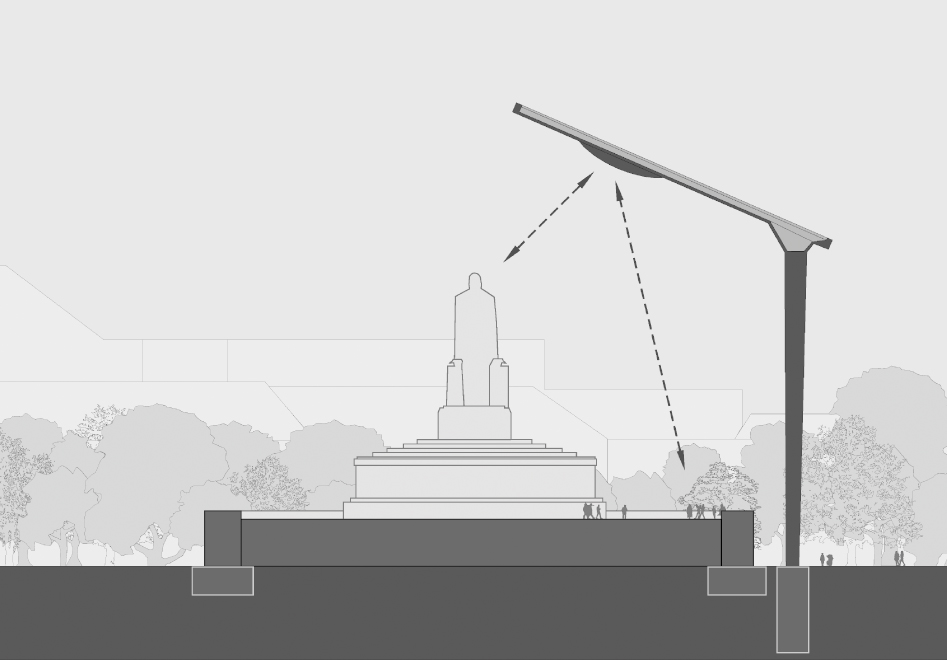
The project introduces a large-scale “sun blocker” that casts a moving shadow across the Bismarck monument.
Rather than altering or removing the monument, the intervention reframes it — placing it under a continuous condition of light and darkness.
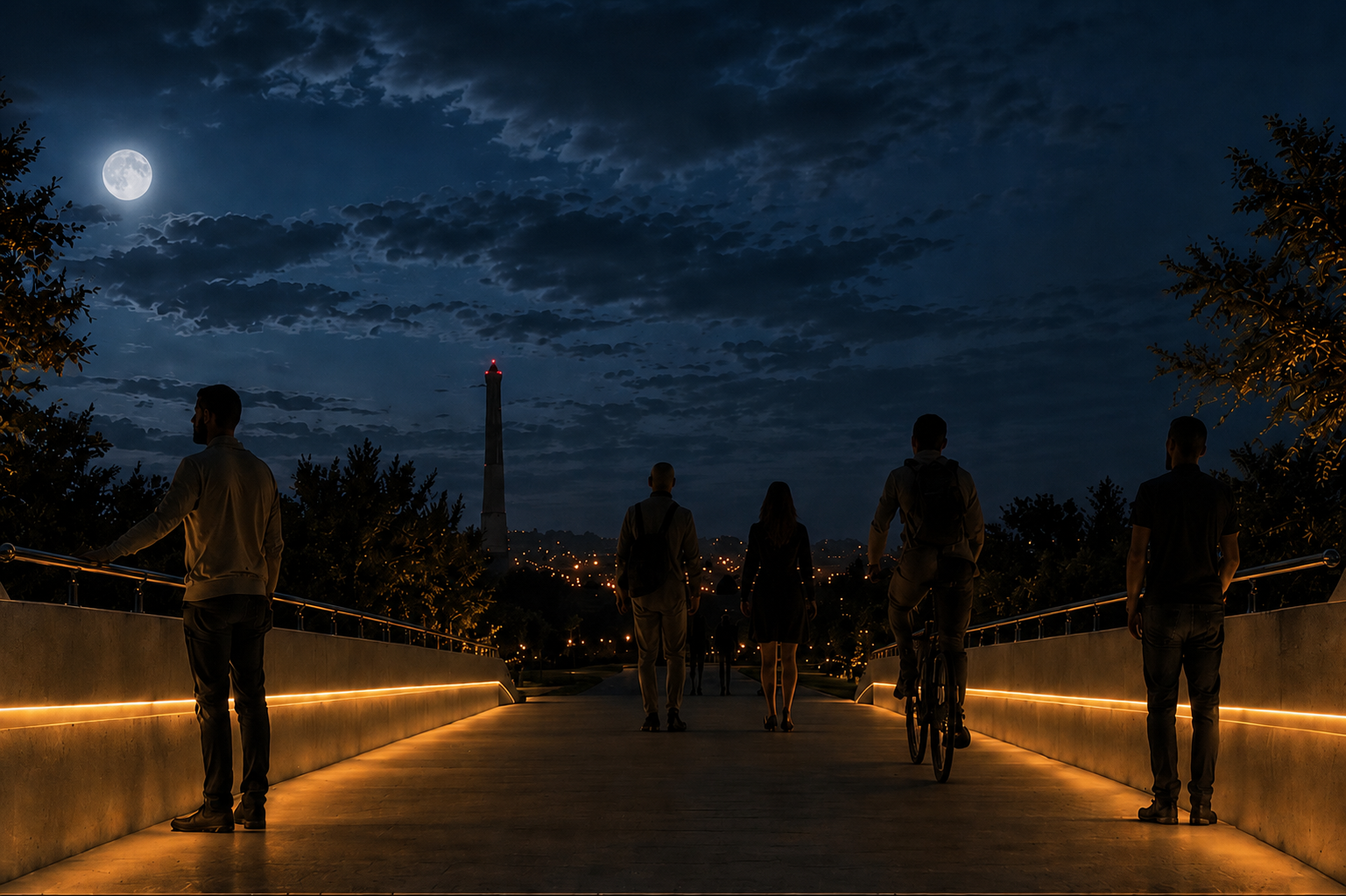
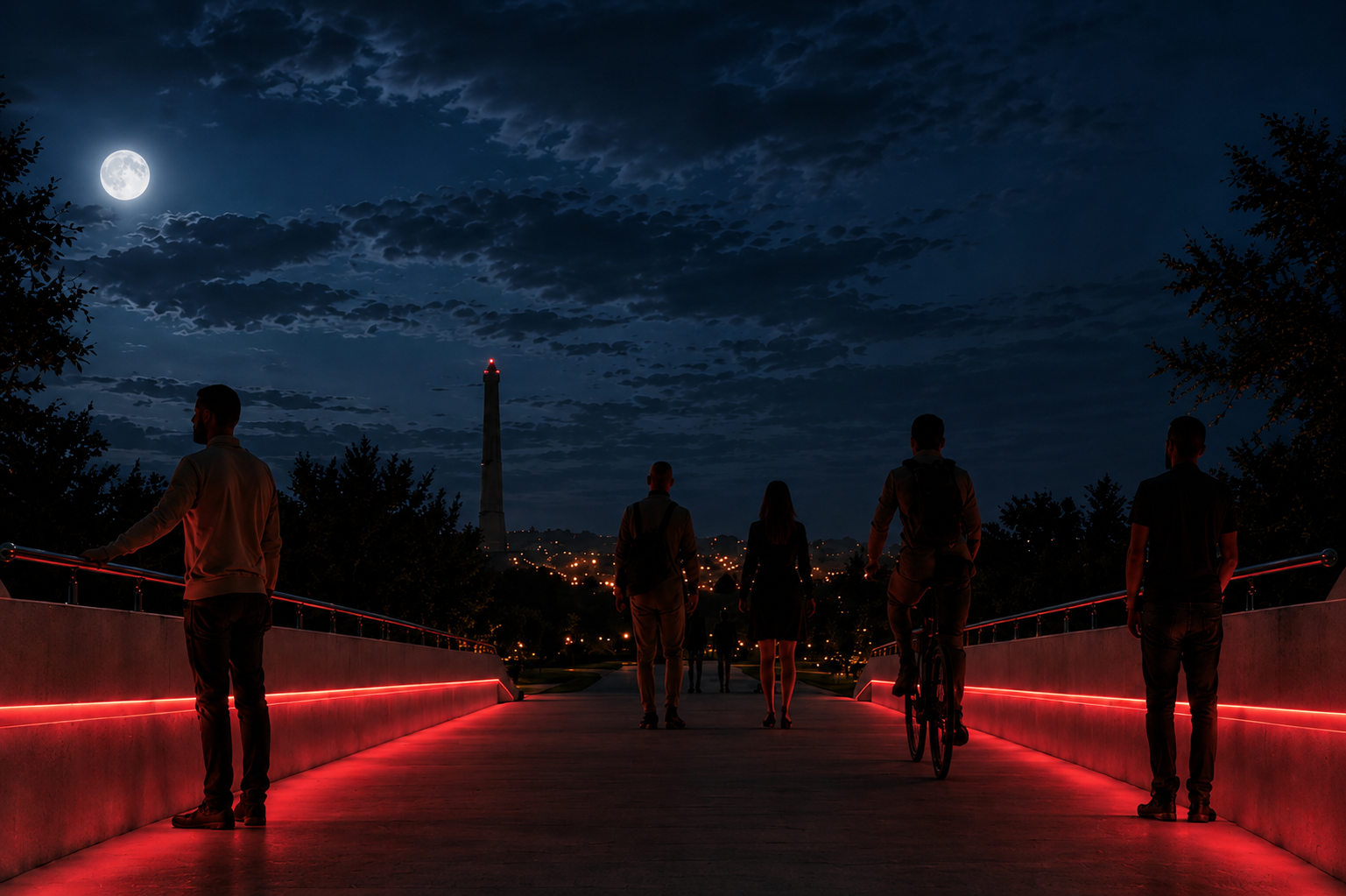
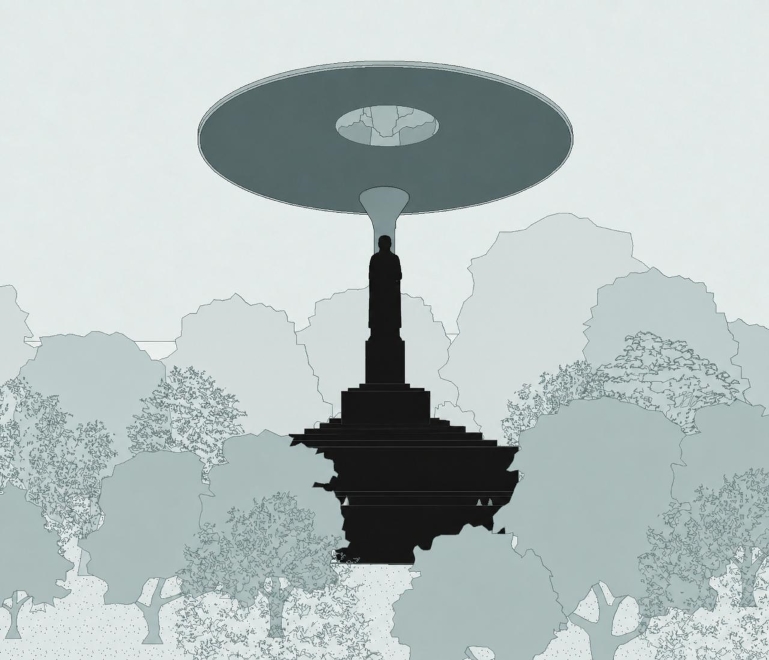
This artificial eclipse interrupts the monument’s visual authority. At certain moments, the figure is fully illuminated; at others, it is partially or completely obscured.
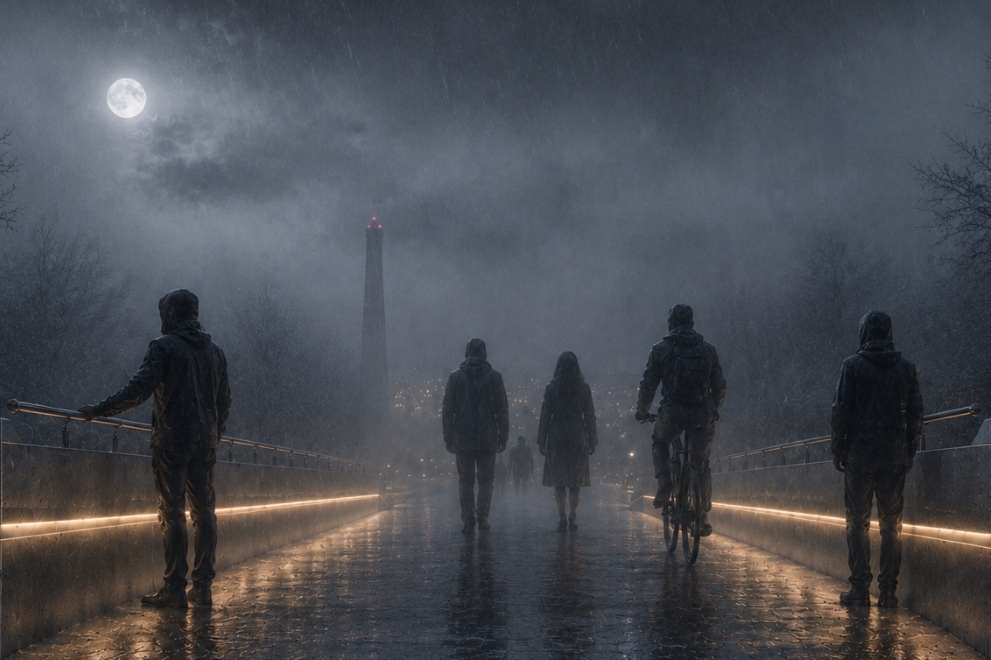
The monument is no longer a fixed image, but a surface subjected to change.

Light and shadow become a medium of critique. They expose the instability of historical meaning and reflect the evolving nature of public perception — particularly in relation to colonialism, nationalism, and the monument’s reception over time.

A mirror integrated into the disc introduces a second layer of reflection. It reverses the traditional relationship between monument and viewer: instead of being looked up to, the monument is observed from above.

The visitor becomes part of the act of interpretation.

The intervention creates a spatial and atmospheric field — a place of shade, altered temperature, and sensory awareness — where physical experience and critical reflection overlap. Simple in form but precise in effect, the project transforms the monument from a static object into a dynamic condition: a site where history is not only remembered, but actively re-examined.

MDR – Bridge, Leipzig

Pedestrian and Bicycle Bridge, MDR site, Leipzig

Lighting concept for the new pedestrian bridge

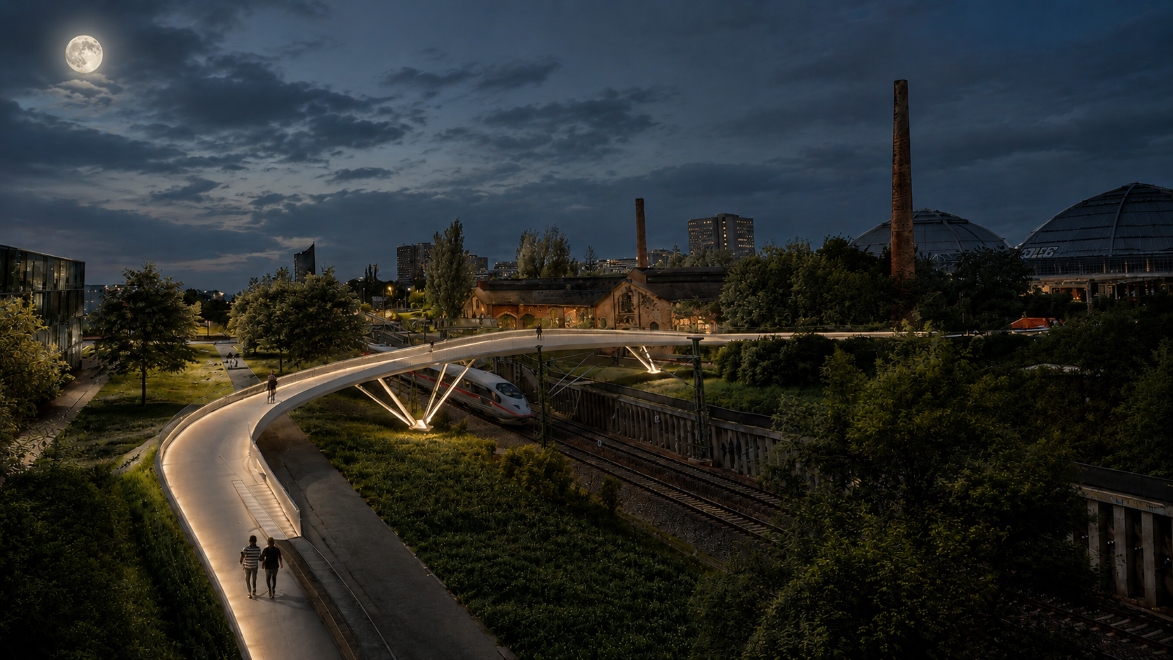
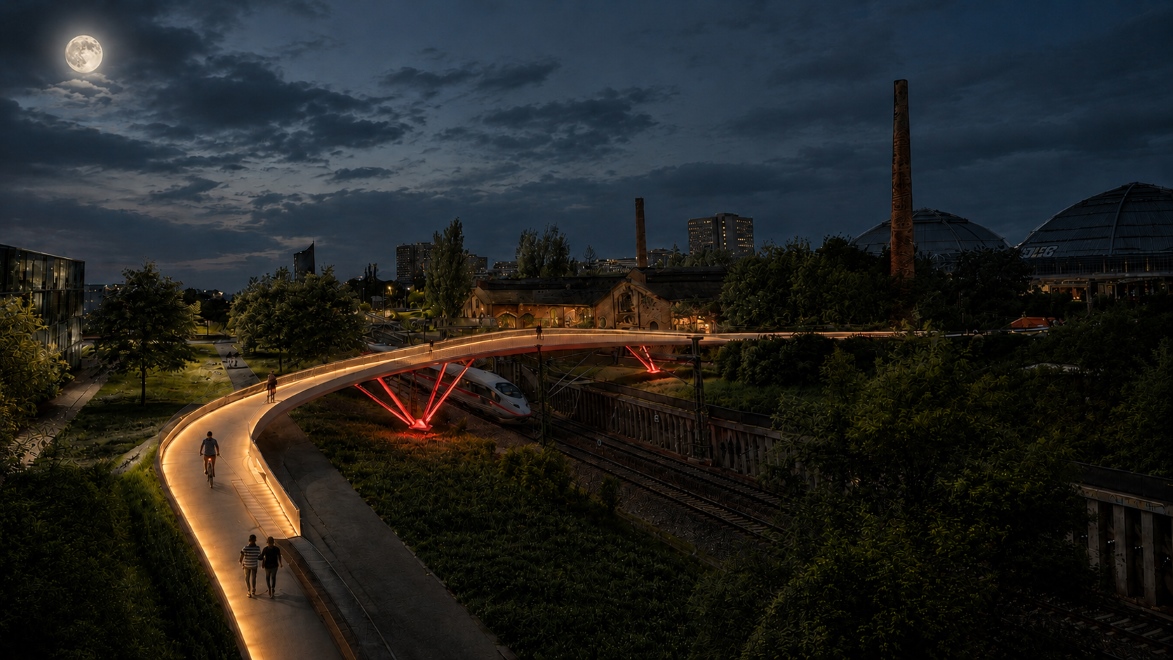
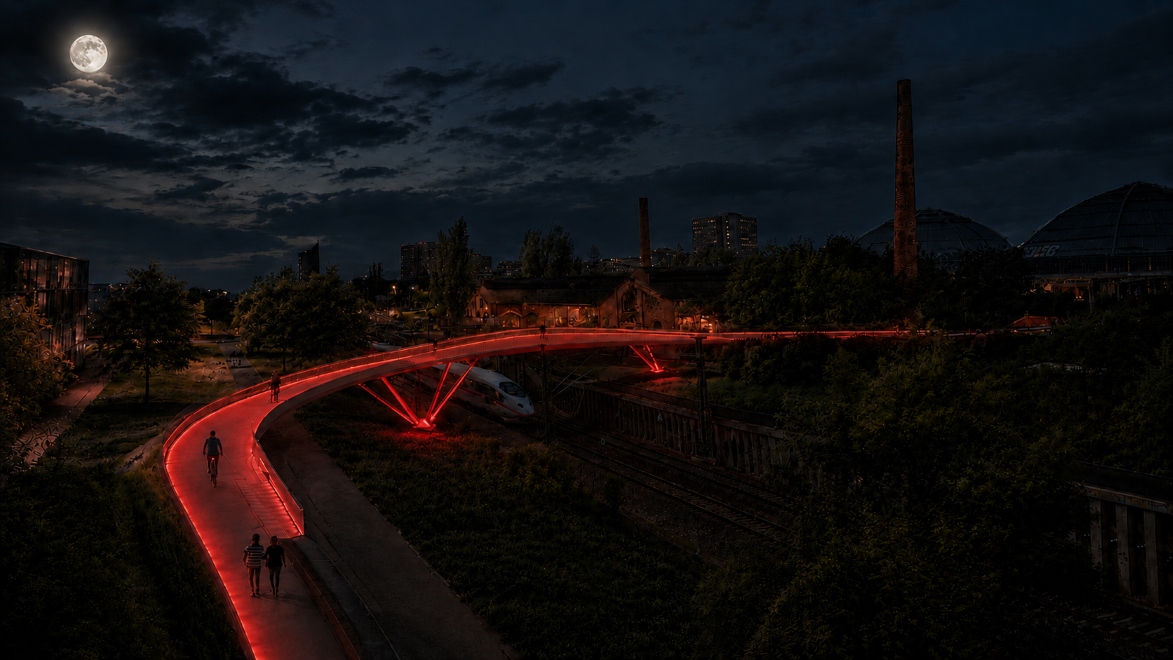
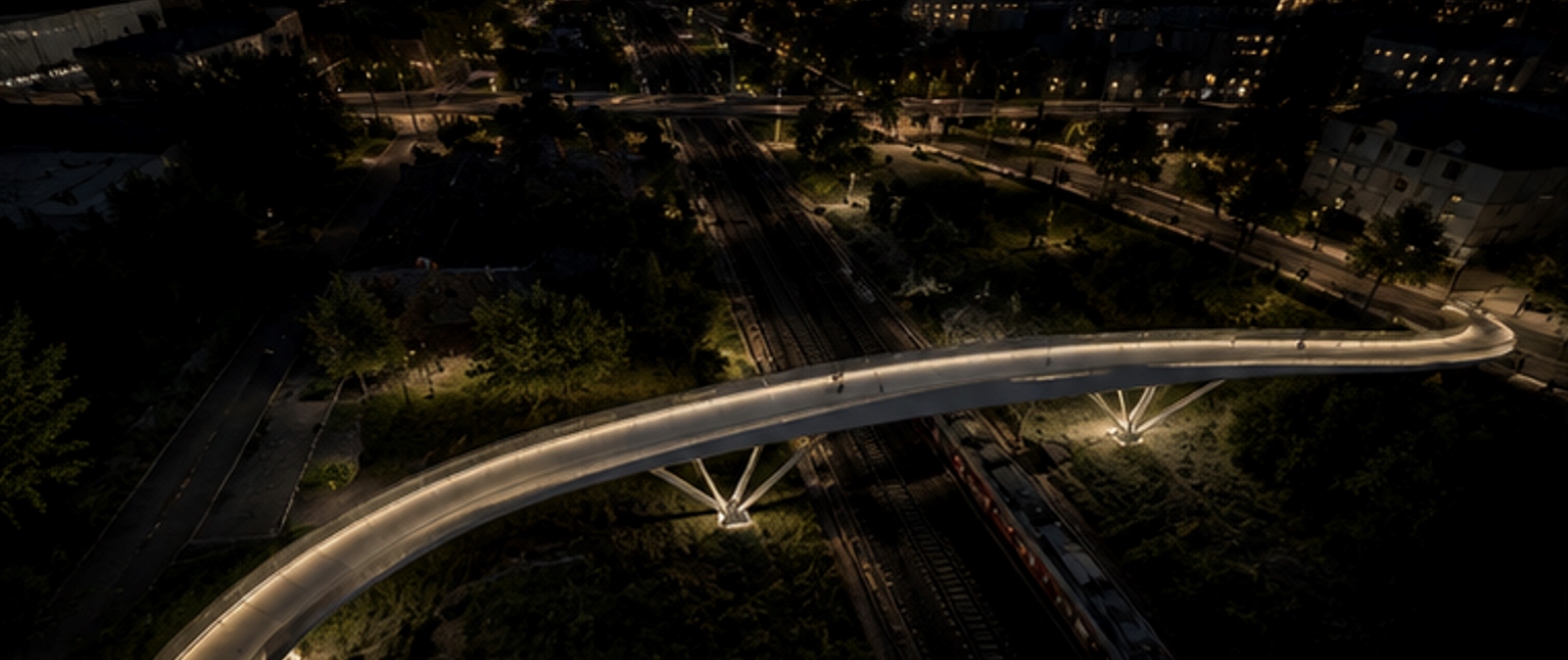
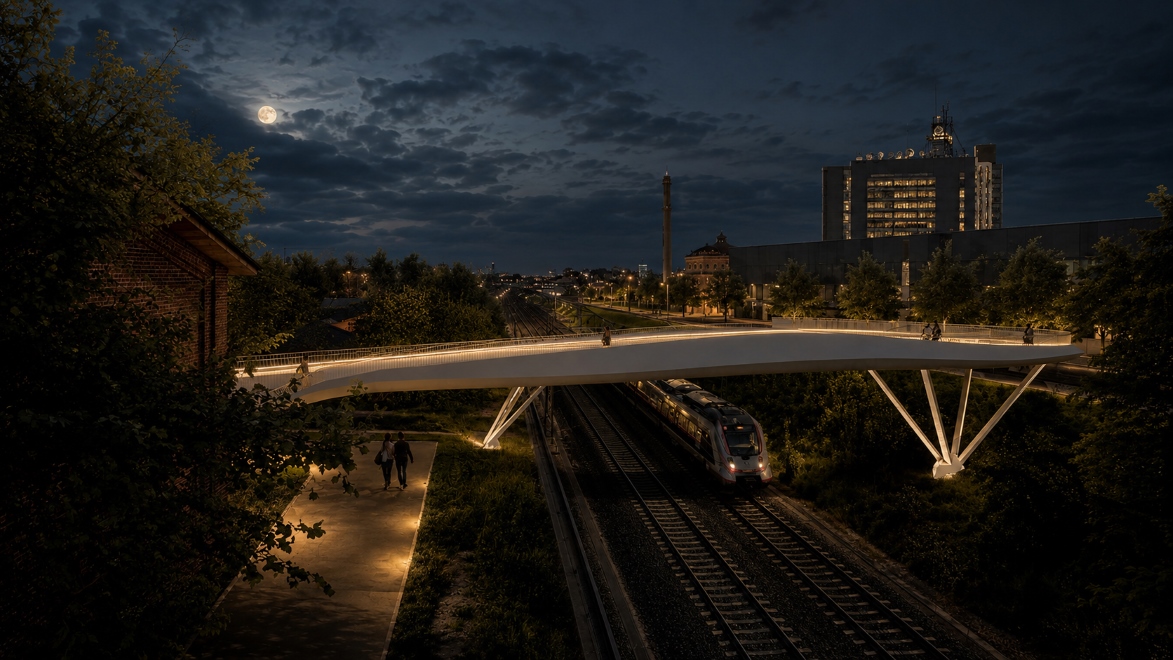
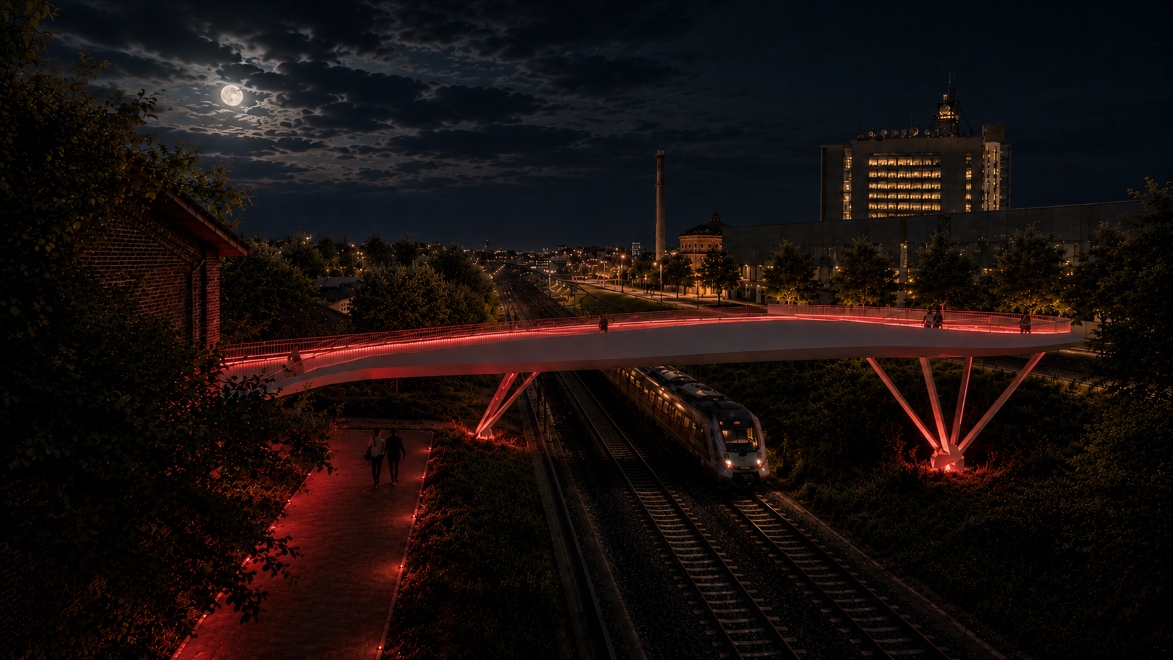
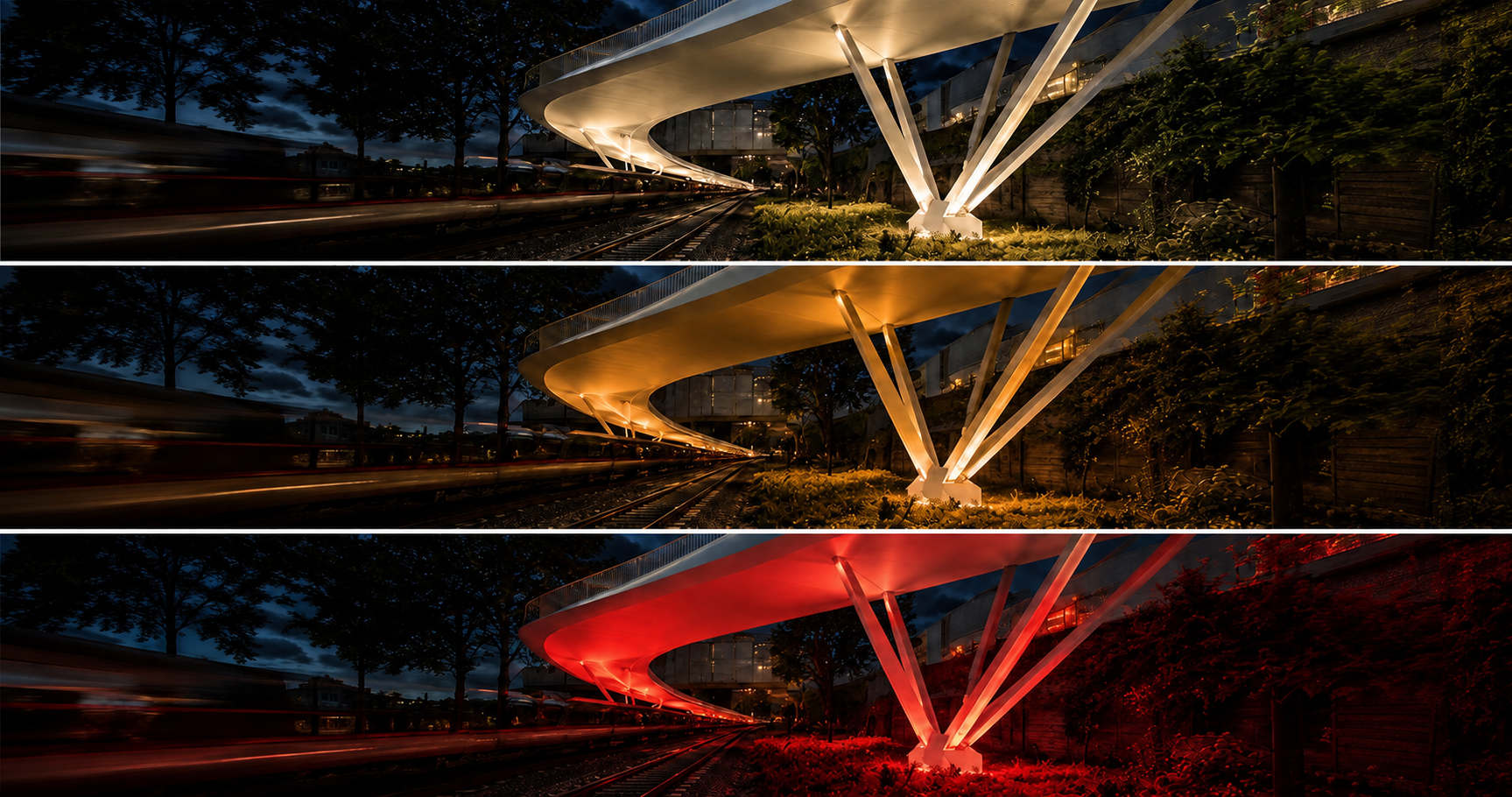
The new pedestrian and bicycle bridge (KHP Leipzig / Kolb Ripke Architekten), with its restrained and elegant bridge construction, assumes an important connecting function in the development of the MDR area in Leipzig. With its simple, linear view reduced to the minimum, the bridge is integrated into the landscape in a restrained manner. This intention is supported by the discreet, calming, high-quality lighting with warm white light (color temperature 3000K).

Entry in the VOF procedure
Competition: 2015/16, 1st prize
Sponsor/Client: City of Leipzig