17th July 2026
The Radiant City – MADINAH
In a city whose very name means The Radiant City, light is more than illumination—it is part of its identity.
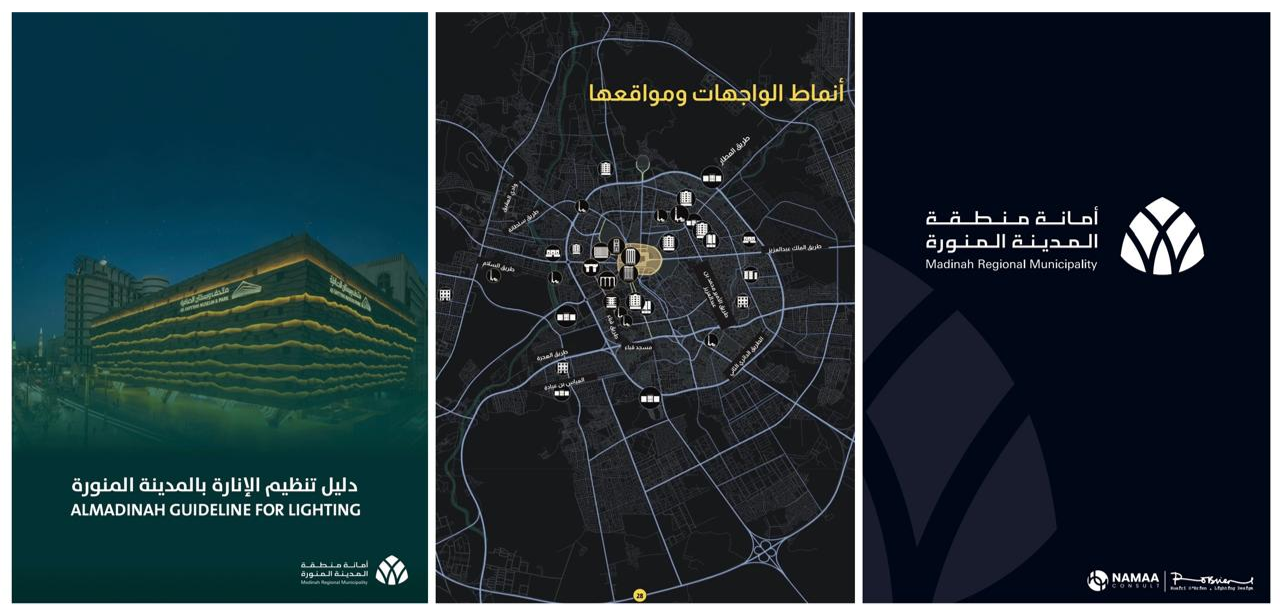
I am delighted to share that the Madinah Urban Lighting Guidelines have now been officially published by the Madinah Regional Municipality.
Over the past year, it has been a privilege for Ruairí O’Brien Lighting Design to lead the development of these guidelines, working in close collaboration with NAMAA Consult, the Madinah Regional Municipality, and many dedicated colleagues whose expertise, commitment and shared ambition helped bring this vision to life.
Al-Madinah Al-Munawwarah – The Radiant City – is a place of profound spiritual significance for millions of people around the world. Developing lighting guidelines for one of the world’s most important religious cities was therefore far more than a technical exercise. It was an opportunity to help define a vision for how light can reinforce identity, celebrate heritage, improve wellbeing and shape the city’s nighttime character.
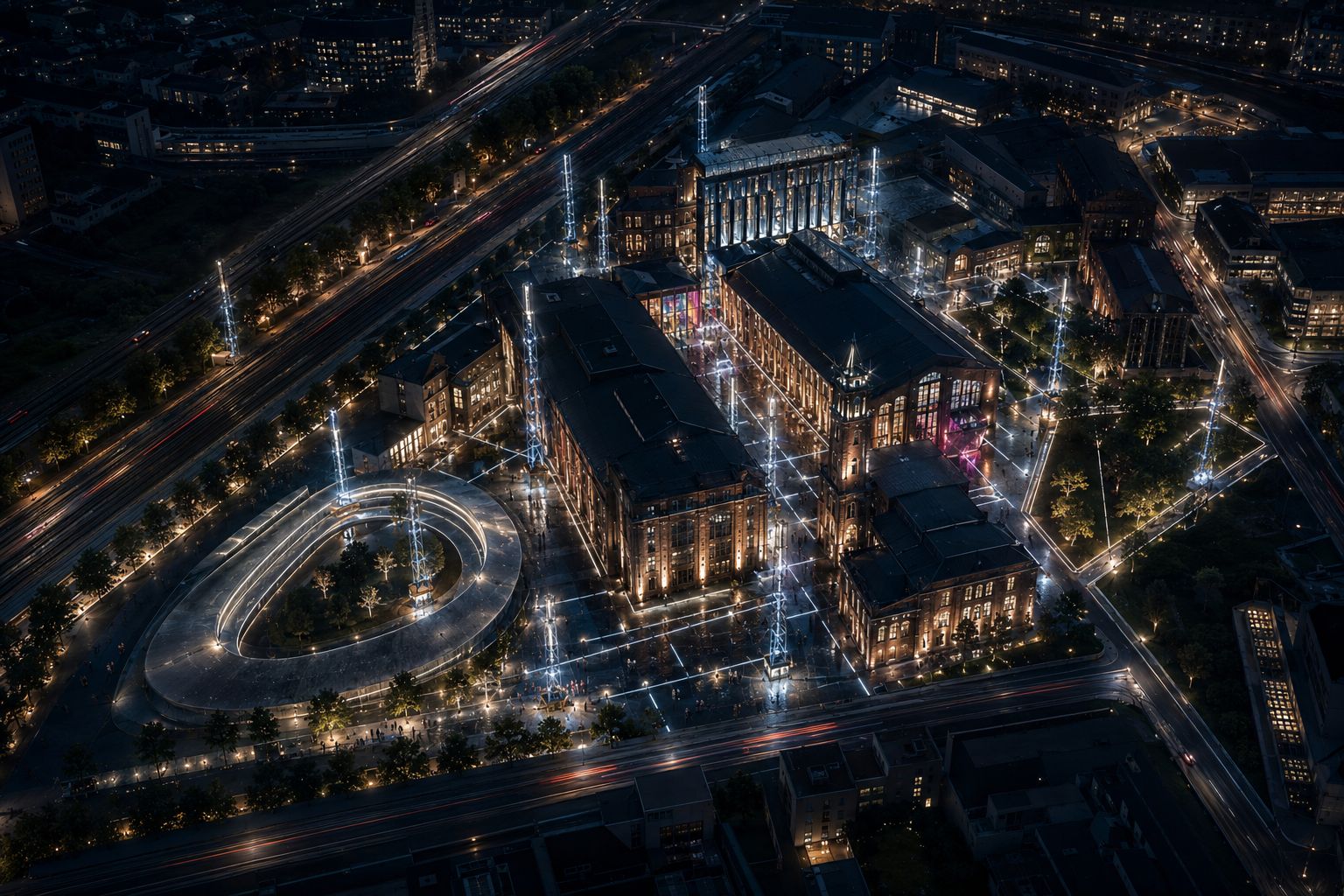
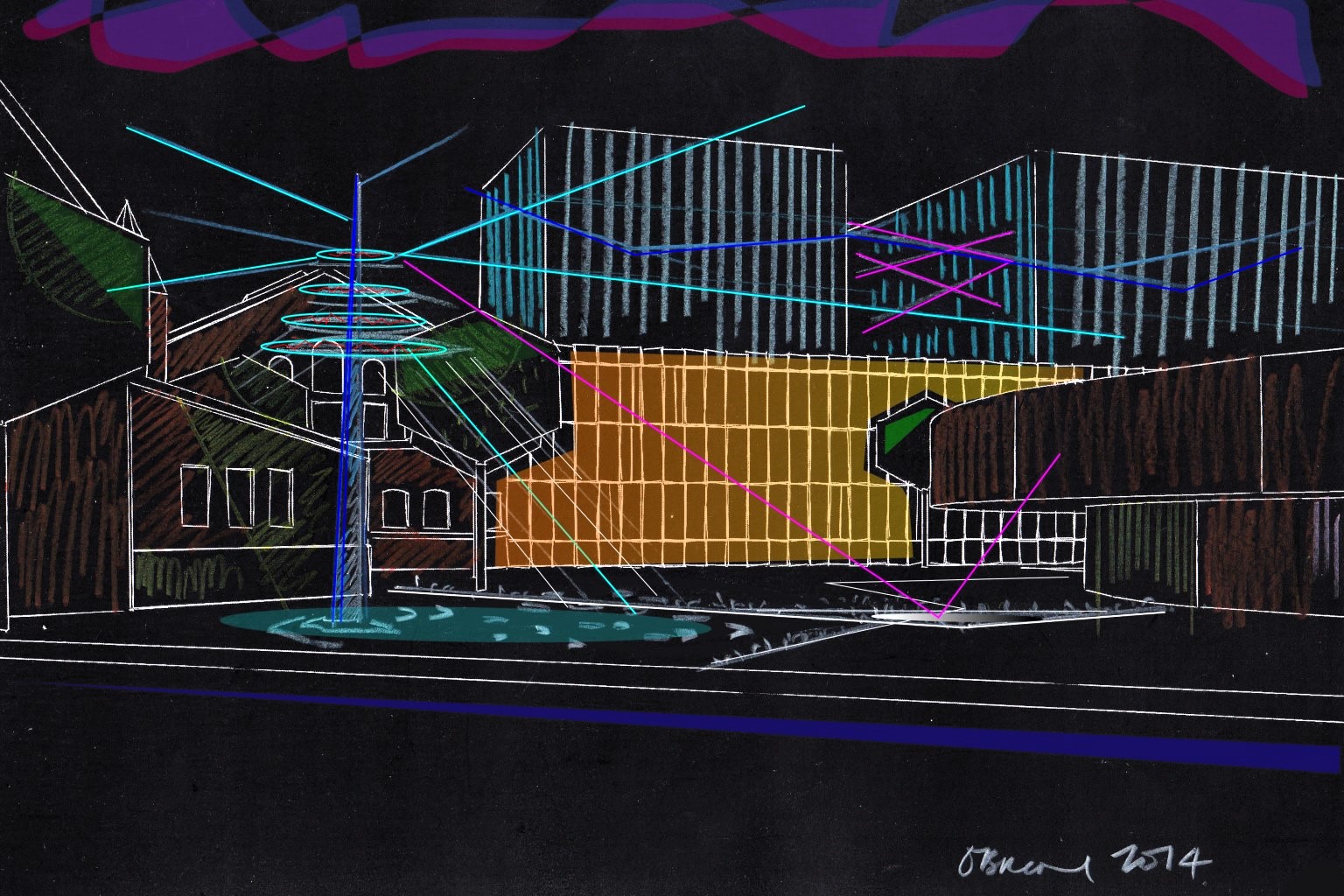
The guidelines establish a long-term framework for architectural and urban lighting that promotes sustainable, human-centred and high-quality design throughout Madinah. Their ambition is to inspire municipalities, investors, architects, developers and citizens alike to see light not simply as illumination, but as an essential element of architecture, public space and urban life.
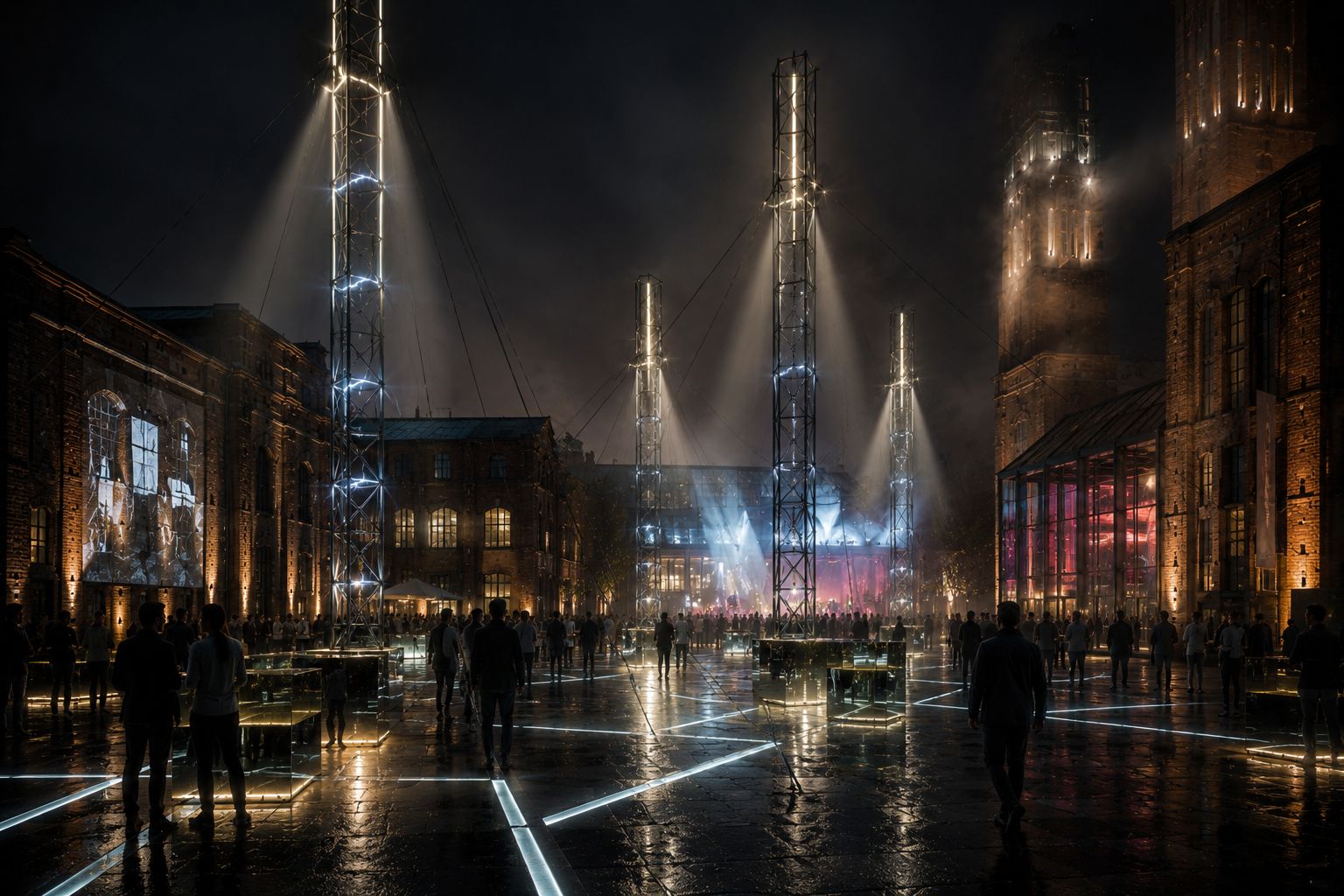
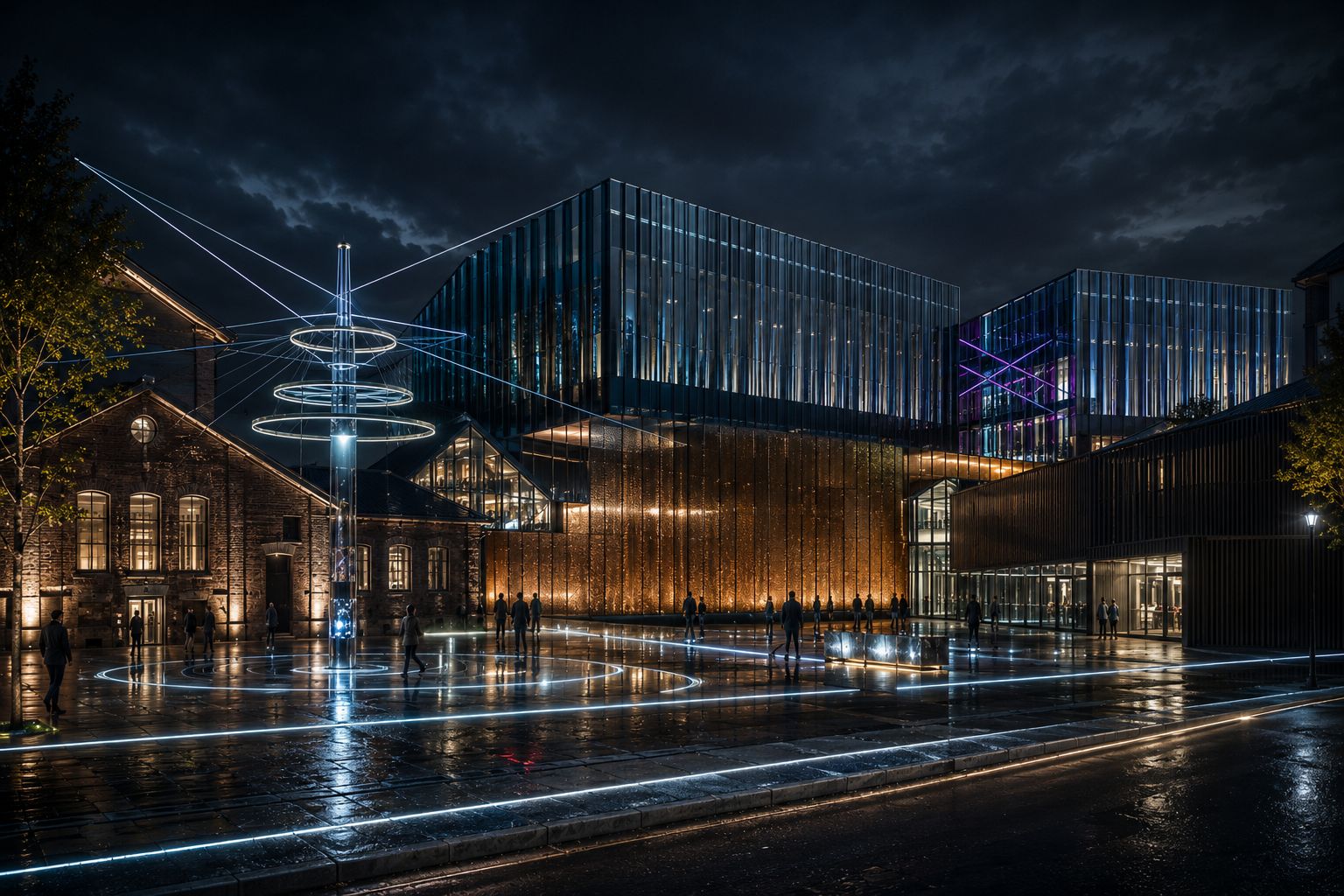
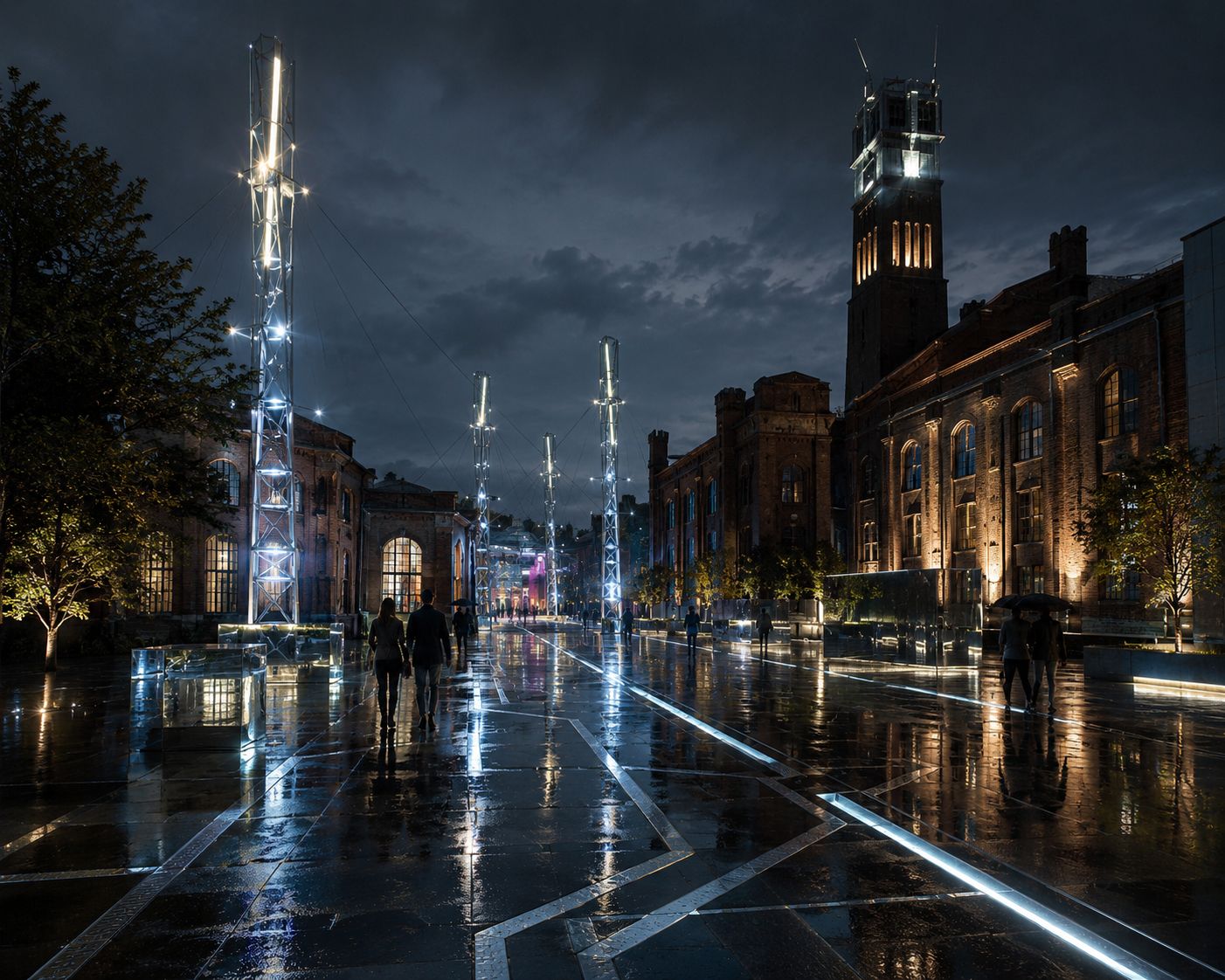
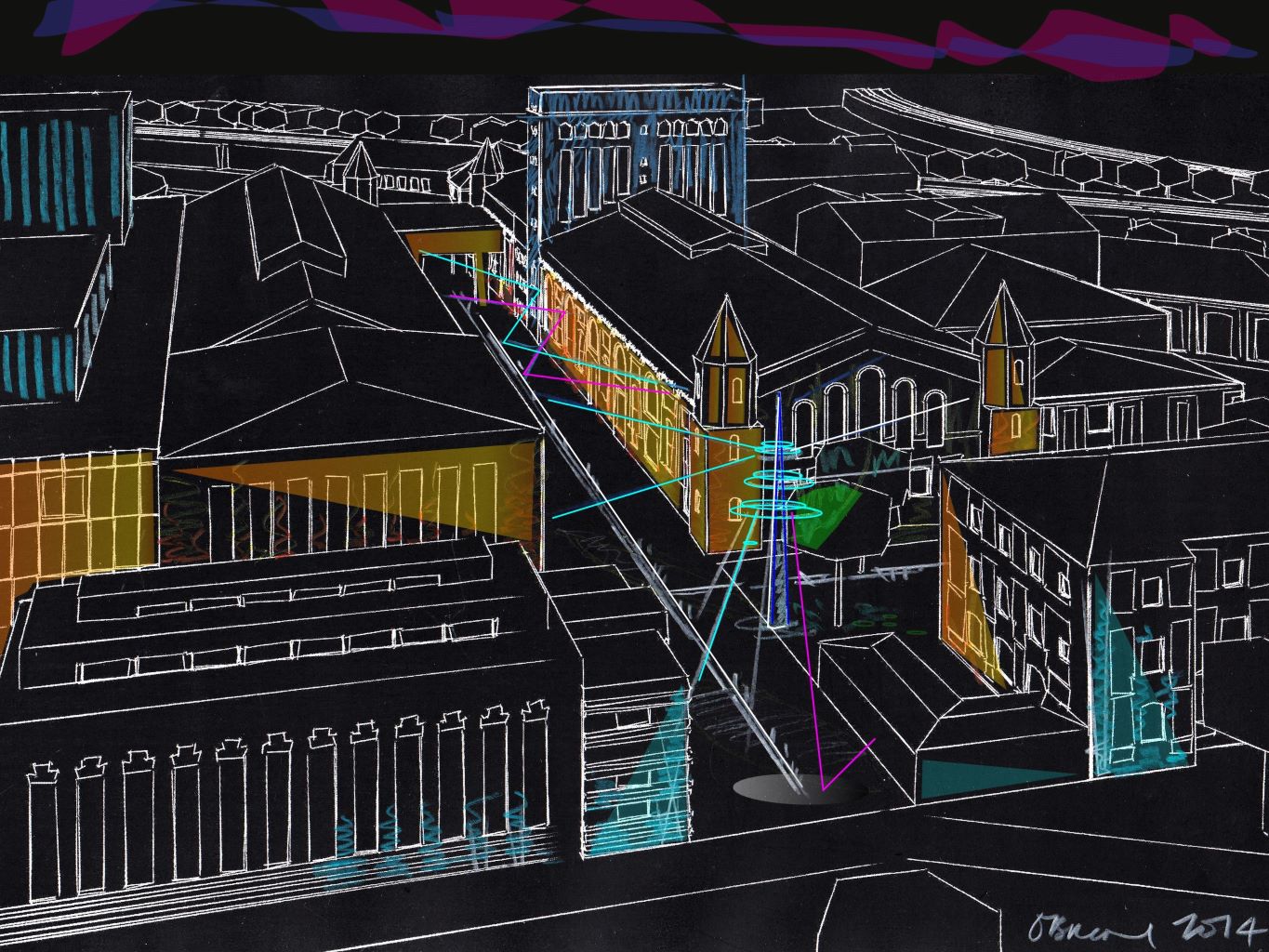
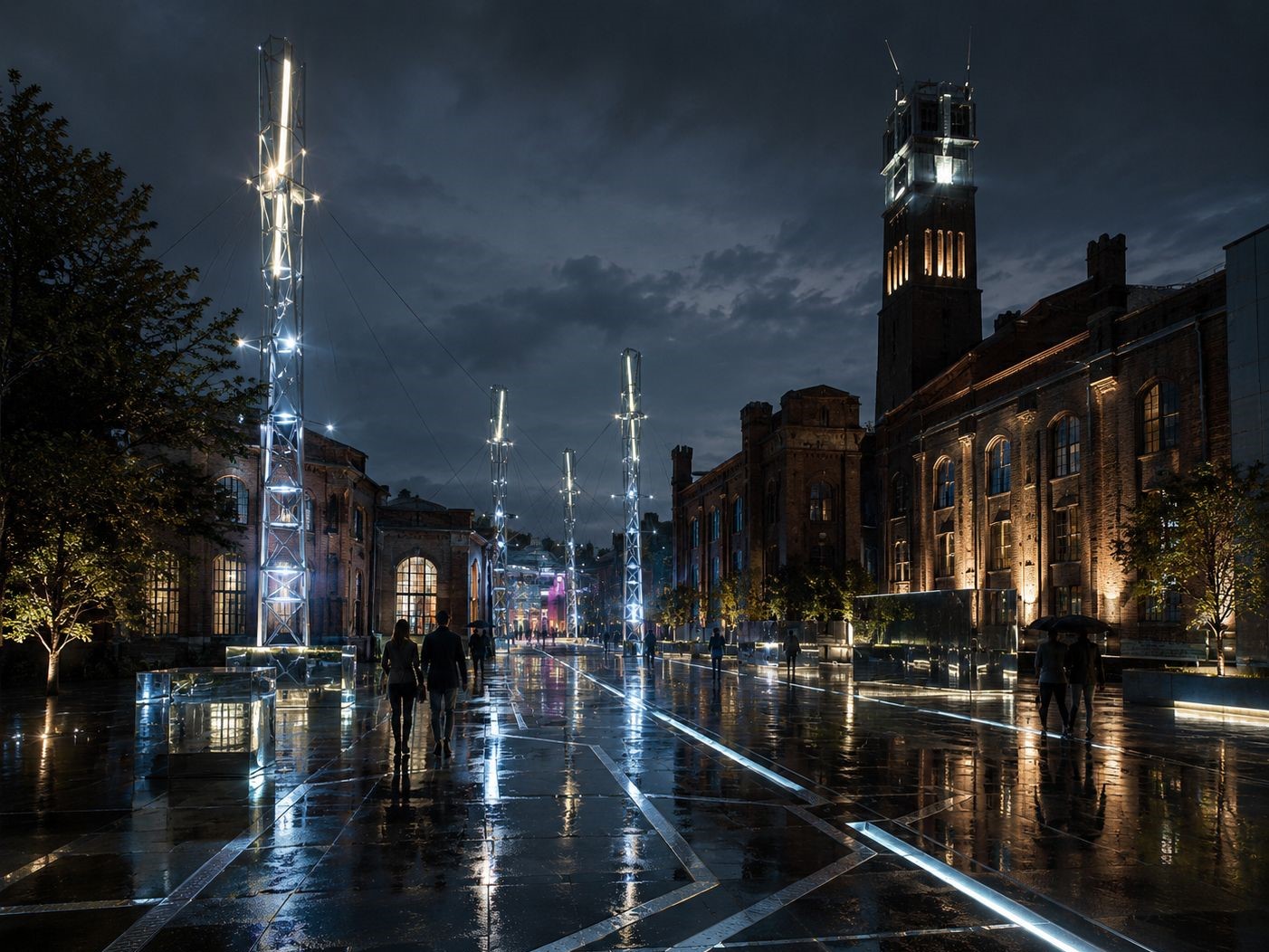
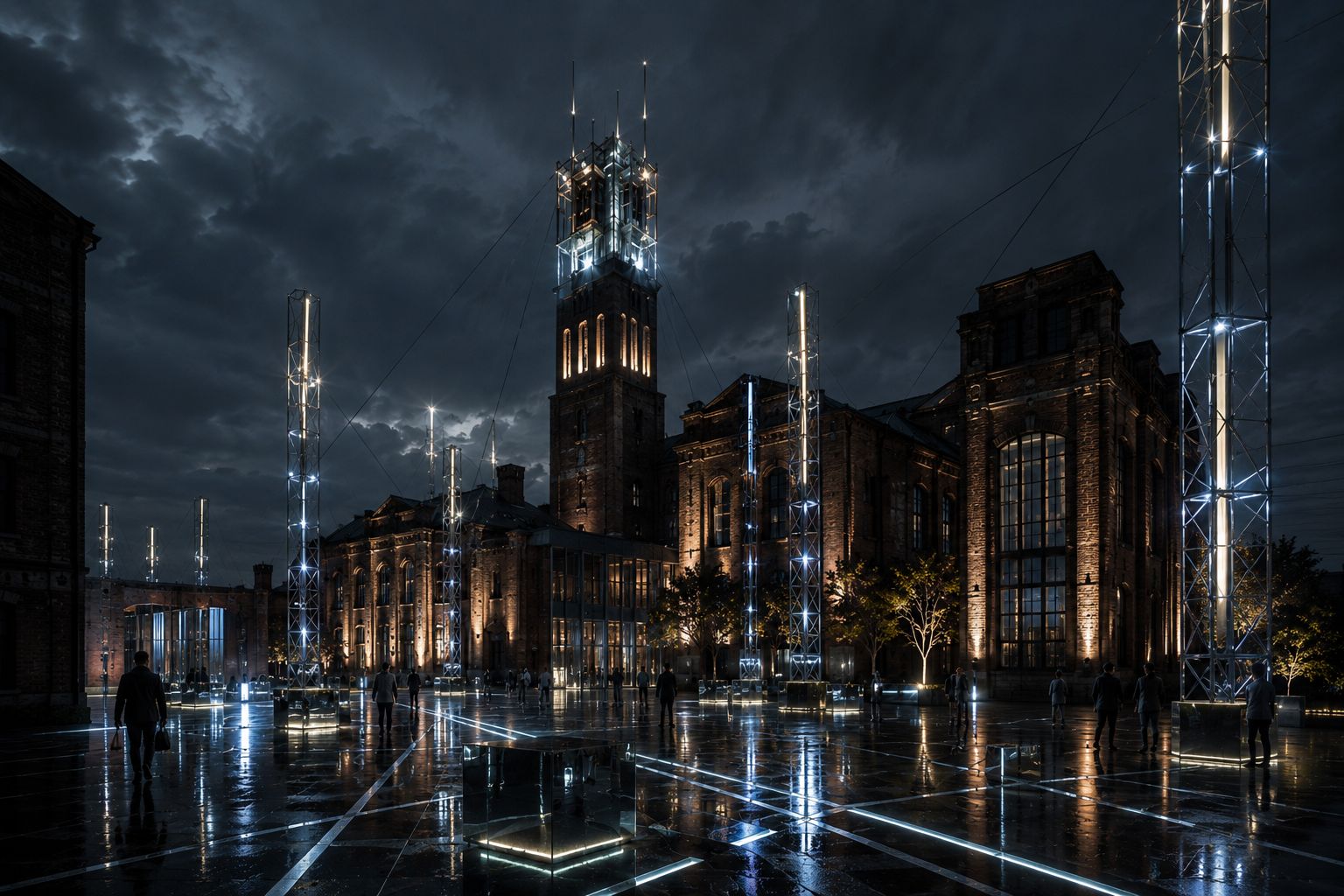
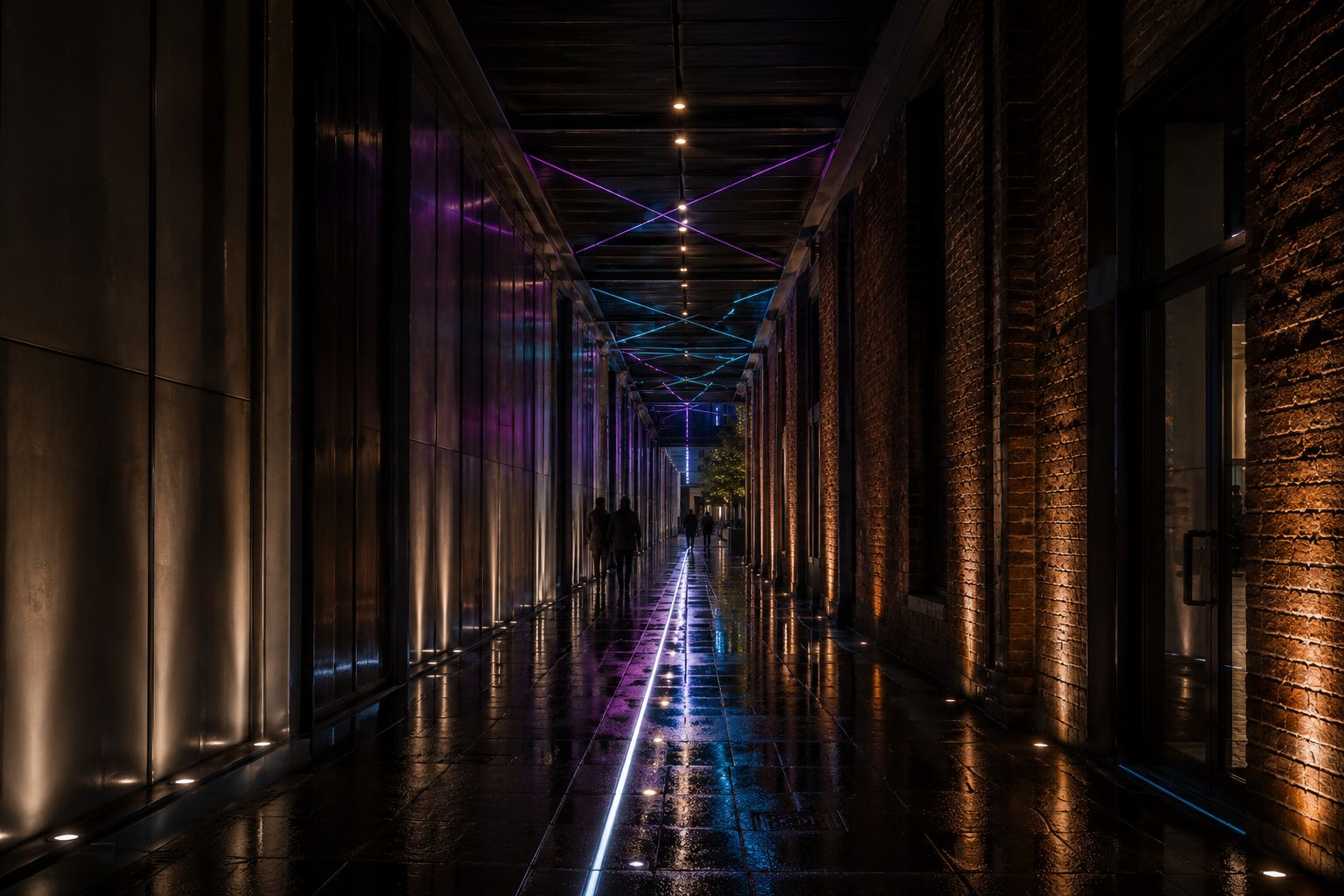
Every district, neighbourhood, street and landmark possesses its own identity. Through thoughtful lighting strategies, the city at night can become more beautiful, legible, welcoming and environmentally responsible—enhancing the experience of residents, visitors and the millions of pilgrims who come to Madinah each year.
I would like to express my sincere gratitude to the Madinah Regional Municipality for its trust, vision and commitment throughout this journey, and to the entire team at NAMAA Consult for a highly professional, inspiring and collaborative partnership. Projects of this scale are only possible through shared ambition, mutual respect and the dedication of many talented people.
Our hope is that these guidelines will inspire future projects, encourage excellence in lighting design, and contribute to Madinah becoming an international benchmark for architectural and urban lighting design—demonstrating how light can enrich culture, strengthen identity and improve quality of life for generations to come.
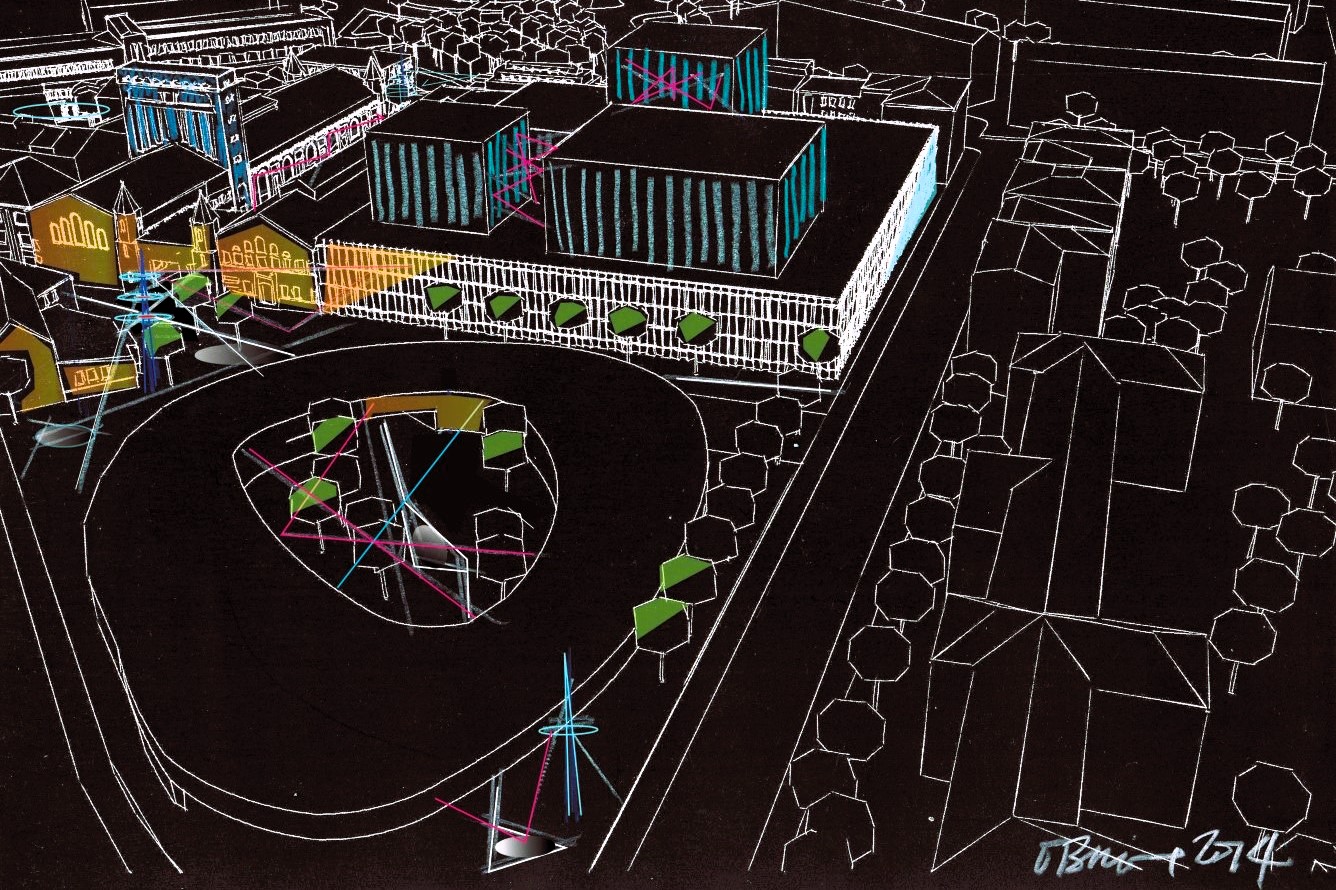
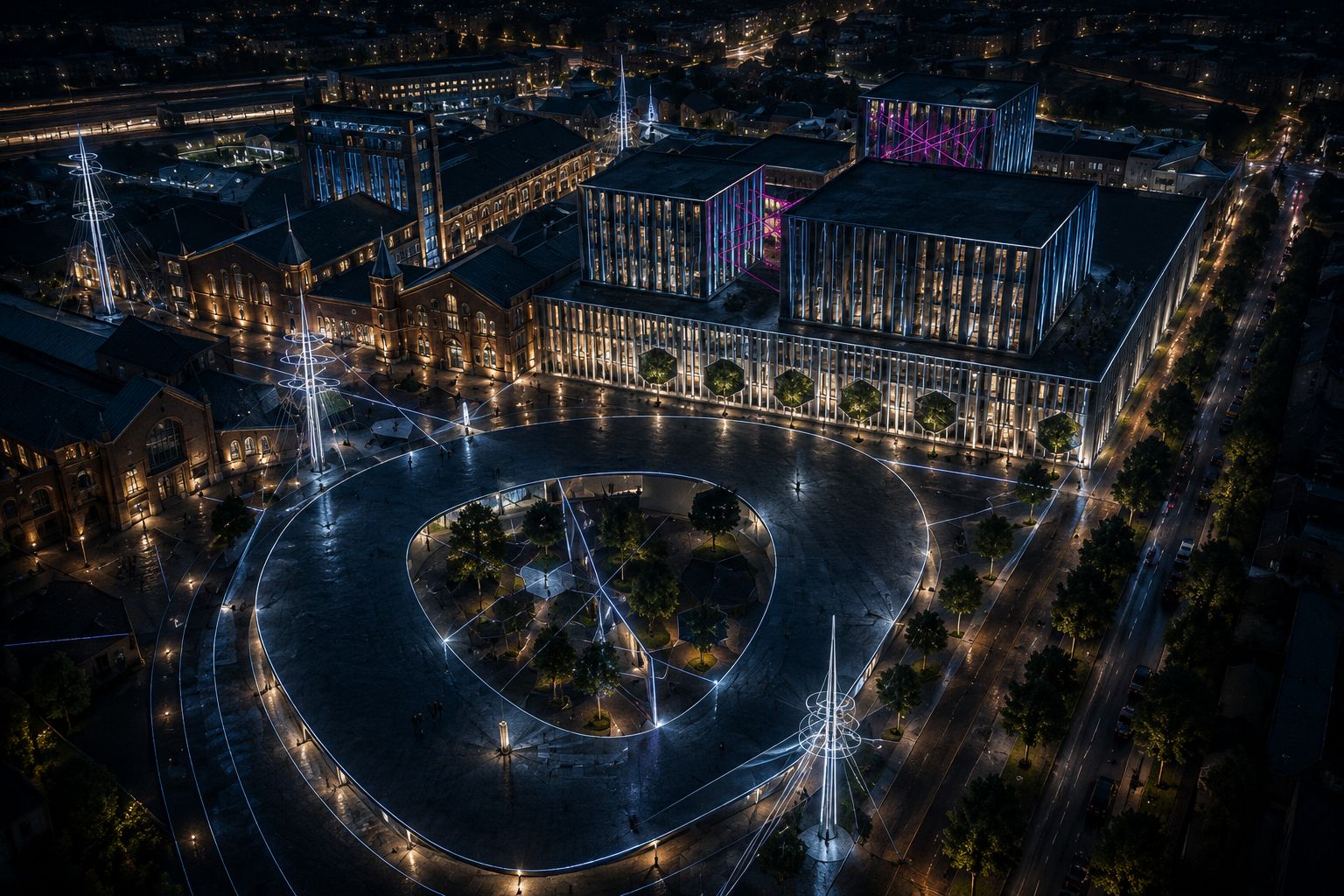
Every great city deserves its own language of light. It has been an honour for our studio to contribute to the evolving nighttime identity of The Radiant City.